





How Does Textile Recycling Work?
Recycling textiles plays a vital role in eco-friendly waste management by gathering, categorizing, and repurposing old fabrics into new, usable materials. This activity helps keep massive amounts of waste out of dumps and lowers the need for virgin materials, saving energy and resources in the process. With the world’s population on the rise, and the fashion sector expanding alongside it, recycling textiles is more important than ever for tackling environmental issues.
The Methodology of Fabric Recycling
The textile recycling process can be broken down into several key stages, each crucial in ensuring the successful transformation of discarded textiles into new, usable materials.
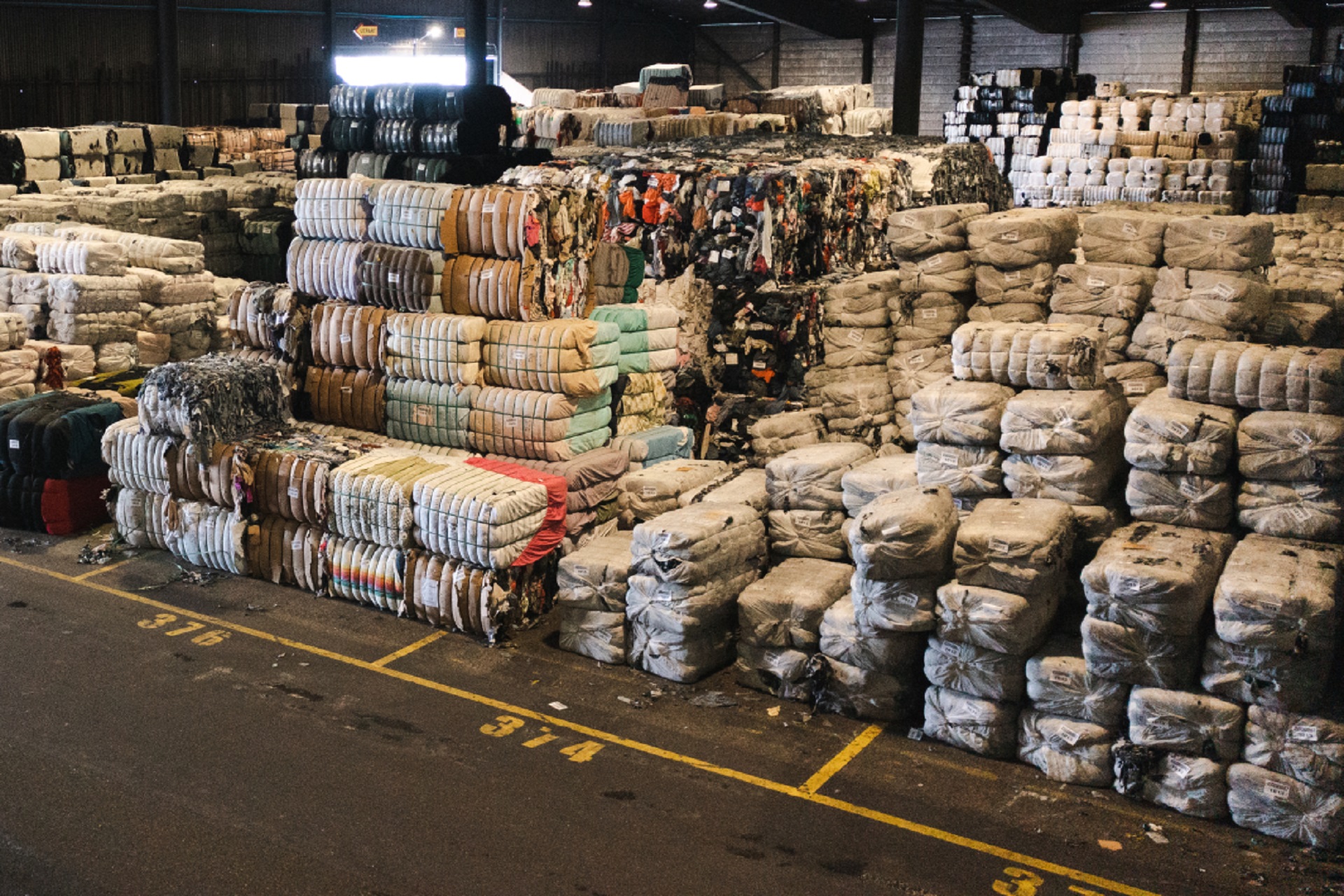
Collection: The initial step involves the collection of textiles, which are gathered from various sources, such as clothing donation bins, thrift stores, and textile recycling banks. Many communities offer curbside pickup services, making it more accessible for individuals to participate in textile recycling.
Categorization and Assessment: After collection, the fabrics are categorized according to type, state, and material. Well-preserved items are frequently sold again or offered as donations, while those that are impaired or less appealing are reserved for recycling processes. The categorized textiles are evaluated by specialists who analyze their quality to choose the most appropriate recycling approach.
Handling: Various techniques are used in recycling to address different textile categories. Natural fibers, such as cotton and wool, are generally torn into fibers, then cleaned and turned into fresh yarn. Synthetic fibers go through a procedure known as re-polymerization, involving chemical decomposition and reconstruction into new synthetic goods.
Advantages for the Environment and Economy
Participating in recycling textiles offers notable environmental and financial advantages. It lessens the ecological impact of the fashion sector by reducing waste in landfills, preserving natural resources, and cutting down on greenhouse gas emissions.
Preserving Energy: Creating new fabrics requires a significant amount of energy. For instance, manufacturing one cotton T-shirt may use up to 2,700 liters of water. Alternatively, recycling significantly lowers water and energy consumption, as the raw materials have undergone processing beforehand.
Decreased Waste at Landfills: Fabrics might require several years to break down in landfills, releasing dangerous greenhouse gases. Recycling these materials helps avoid their accumulation in landfills, thus lowering environmental contamination.
Financial Benefits: The reuse of textiles field has generated a multitude of employment possibilities across different areas, ranging from gathering and organizing to sales and production. It boosts the economy by promoting a sustainable economic approach, where resources are utilized for extended periods and waste is reduced to a minimum.
Challenges and Innovations in Textile Recycling
Although it offers advantages, recycling textiles encounters numerous obstacles. Textiles made from blended fibers are challenging to recycle because of the difficulties in separating the various components. Furthermore, the presence of dyes and treatments that are tough to eliminate can impede the recycling process.
Nevertheless, novel advancements are constantly arising to tackle these challenges. Emerging technologies, like automated sorting systems and sophisticated recycling techniques, are being created to enhance the recycling process. Scientists are also investigating biodegradable fibers and eco-friendly dyes to streamline recycling.
The Function of Customers and the Industry
Both consumers and the fashion industry play pivotal roles in the success of textile recycling. Consumers can contribute by making conscious purchasing decisions and properly disposing of their textiles through donation or recycling programs. The fashion industry, on the other hand, can promote sustainable practices by designing products with recyclability in mind and investing in innovative recycling technologies.
The opportunity for recycling textiles to convert waste into important resources is vast, providing considerable environmental and economic benefits. Through the embrace of eco-friendly methods and the promotion of advancements in recycling technology, communities can progress towards a more sustainable future, where waste is reduced, and resources are preserved.