





High blood pressure, or hypertension, is one of the most common health conditions worldwide, and its proper management is critical to reducing risks such as heart disease, stroke, and kidney failure. Recently, the American Heart Association (AHA) introduced revised guidelines to help physicians and patients address this issue more effectively. These updates reflect new evidence, better screening recommendations, and more personalized approaches to treatment, all with the goal of improving patient outcomes and reducing long-term complications.
The choice to update these guidelines is based on comprehensive studies indicating that earlier measures and more accurate tracking can greatly reduce heart-related incidents. The revised advice seeks to offer clear guidance to medical personnel and people with high blood pressure, highlighting the significance of lifestyle adjustments in combination with medication when required.
A significant modification in the updated guidelines is the categorization of blood pressure levels. Previously, hypertension was identified at a mark of 140/90 mmHg. Currently, the revised criteria consider blood pressure measurements of 130/80 mmHg or above as elevated, encouraging both patients and healthcare providers to tackle possible risks promptly. This change aligns with research associating even slightly raised levels with chronic heart health issues.
The reclassification means that millions of adults who were once considered at risk rather than hypertensive may now fall into a category requiring closer attention. This does not necessarily mean that all these individuals will require medication, but it does signal a greater emphasis on preventive strategies such as dietary improvements, regular physical activity, and stress management techniques.
Lifestyle modification remains at the forefront of the AHA’s approach to blood pressure control. The guidelines underscore the importance of adopting heart-healthy habits, including following a balanced diet rich in fruits, vegetables, whole grains, and lean proteins. The DASH (Dietary Approaches to Stop Hypertension) eating plan continues to be one of the most recommended strategies for lowering blood pressure naturally. Additionally, reducing sodium intake, limiting alcohol consumption, and avoiding tobacco products are considered essential steps.
Physical activity is another critical factor highlighted in the revised guidelines. The AHA encourages individuals to engage in at least 150 minutes of moderate-intensity exercise per week, such as brisk walking, swimming, or cycling. Regular exercise not only helps control blood pressure but also promotes overall cardiovascular health and reduces the likelihood of developing related conditions like diabetes or obesity.
Maintaining a healthy weight is crucial, since carrying extra pounds can increase the pressure on the heart and blood vessels, resulting in elevated blood pressure levels. Even a slight reduction in weight can bring about meaningful improvements in blood pressure, highlighting its importance for individuals who are classified as overweight or obese.
When changes in lifestyle are insufficient to bring about the desired outcomes, medication enters the picture. The updated guidelines offer new advice on the timing and methods for beginning drug therapy. These choices now consider more than just the blood pressure numbers; they also evaluate a person’s comprehensive cardiovascular risk, including factors such as age, family history, and the existence of other health issues like diabetes or chronic kidney disease.
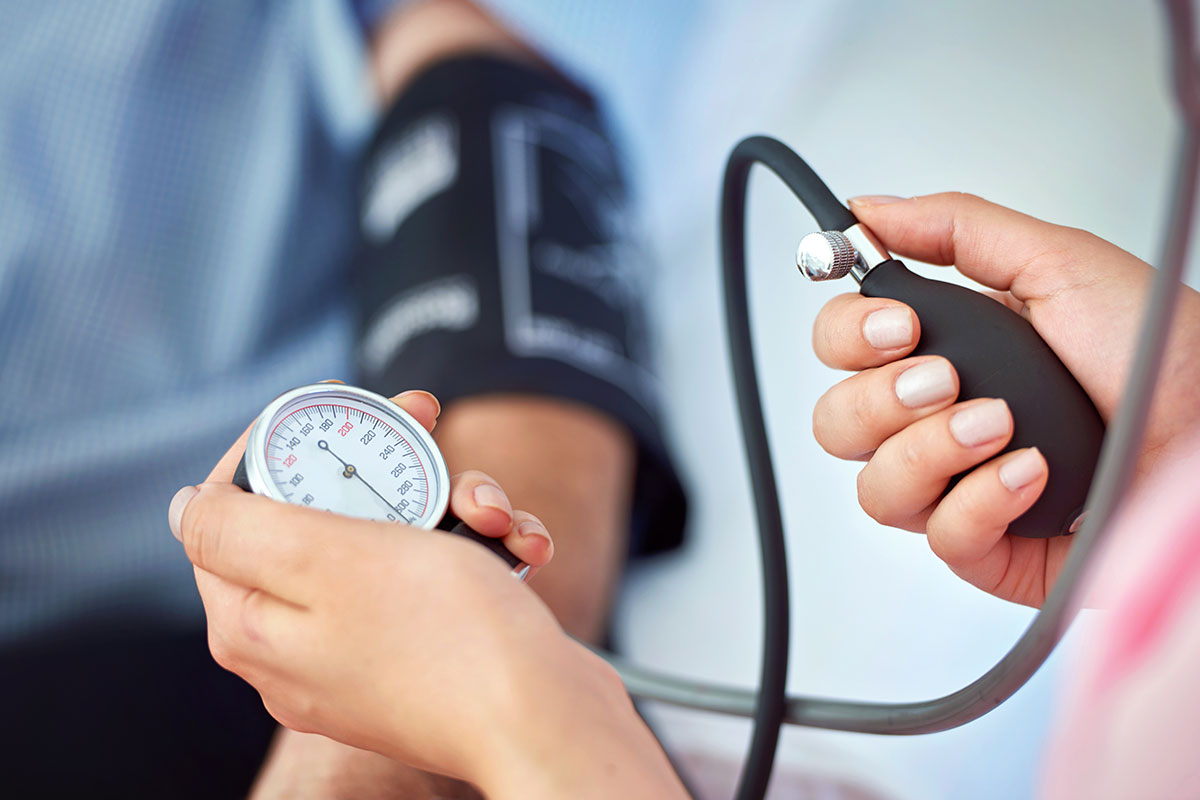
Another key change involves the method of monitoring blood pressure. The AHA now places greater emphasis on out-of-office measurements, such as home monitoring and ambulatory blood pressure tracking. These tools provide a more accurate picture of an individual’s blood pressure patterns, helping avoid misdiagnosis caused by white-coat hypertension or temporary stress-induced spikes during clinic visits.
Besides offering advice to healthcare providers, the updated suggestions motivate individuals to actively participate in their own health management. Knowing one’s personal blood pressure goals, acknowledging the value of regular monitoring, and adhering to advised treatments are essential parts of effective long-term oversight. Teaching and raising awareness are key to the AHA’s initiatives to lessen the occurrence of issues related to high blood pressure.
The guidelines also recognize the need for equity in healthcare delivery. They stress the importance of ensuring that all populations, including those in underserved communities, have access to screening, preventive measures, and appropriate treatment options. Disparities in hypertension management have long been a concern, and addressing them remains a top priority for public health initiatives.
The revised AHA guidelines represent a significant step toward better prevention and control of high blood pressure. By identifying at-risk individuals earlier, promoting healthier lifestyles, and refining treatment protocols, these updates aim to lower the burden of cardiovascular disease across the population.
For anyone concerned about their blood pressure, the most important takeaway is the value of regular checkups and early action. Monitoring readings at home, discussing results with a healthcare provider, and making sustainable lifestyle changes can all contribute to improved long-term health. The new recommendations serve as a reminder that even small adjustments can make a substantial difference when it comes to protecting the heart and maintaining overall well-being.