





The fate of TikTok, a major player among global social media platforms, seems to be approaching a critical juncture as negotiations between Washington and Beijing move toward a much-anticipated deal.
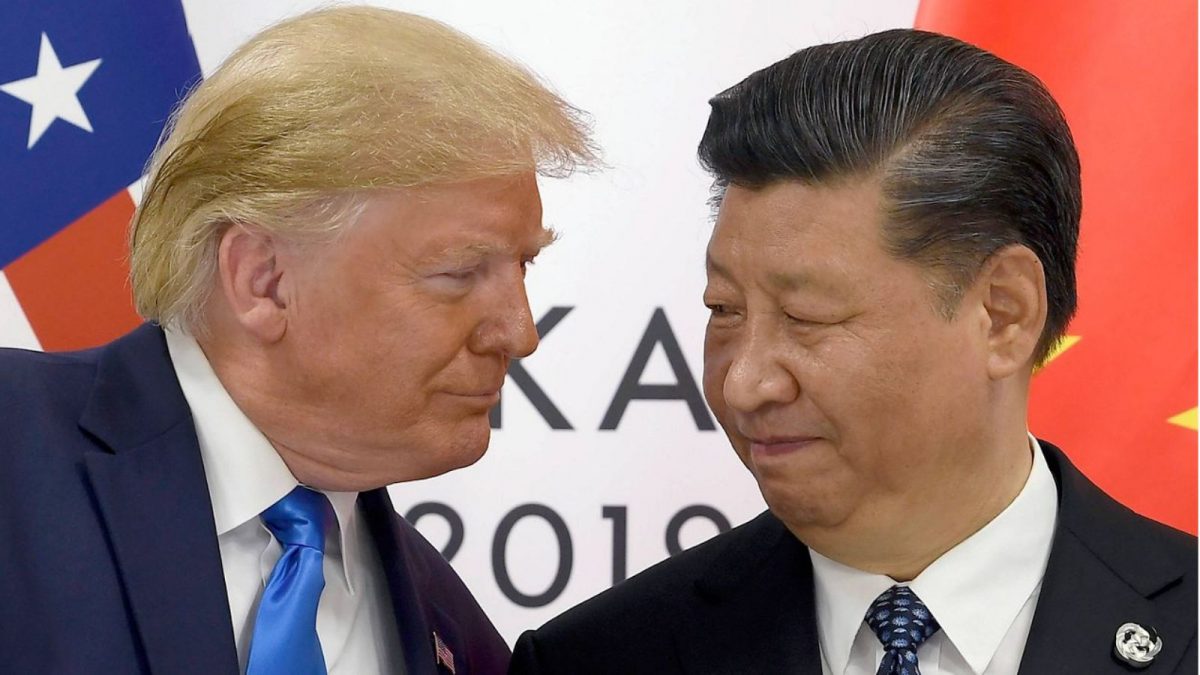
In the past few years, TikTok has become the focal point of a geopolitical conflict that transcends viral content and entertainment trends. This platform, under the ownership of the Chinese entity ByteDance, has evolved into a worldwide sensation, gathering hundreds of millions of users and transforming digital culture across different regions. However, its immense success has sparked political, security, and economic discussions spanning from the United States to Asia, Europe, and elsewhere. Currently, the spotlight is on former U.S. President Donald Trump and Chinese President Xi Jinping, as they are anticipated to finalize a deal that might not only alter TikTok’s operations but also reshape the broader technological relationship between these two countries.
Lo que hace que este momento sea especialmente importante es la complejidad de los temas en juego. Para Washington, las preocupaciones han girado durante mucho tiempo en torno a la seguridad de los datos, la privacidad de los usuarios y la posible influencia de una plataforma de propiedad china en la sociedad estadounidense. Para Beijing, el asunto implica defender los intereses comerciales nacionales y afirmar su posición en la carrera global por la tecnología. Por lo tanto, las negociaciones entre Trump y Xi no solo tratan de una sola aplicación, sino también de cuestiones más amplias de confianza, soberanía y el equilibrio de poder en la era digital.
A platform entangled in international politics
Since its rapid ascent, TikTok has evolved beyond merely being a platform for brief clips. It has emerged as a venue for talent to flourish, for companies to connect with fresh demographics, and for cultural phenomena to disseminate quicker than ever. Yet, the aspects that contributed to TikTok’s triumph have also generated concern. Critics in the United States have contended that the app might offer Beijing unique access to the private information of American residents, which could jeopardize national security.
For several years, this concern has inspired political discussions, with representatives, regulatory bodies, and government authorities advocating for tighter rules or complete prohibitions. Meanwhile, TikTok’s executives have repeatedly refuted claims of misconduct, highlighting their dedication to protecting user information and maintaining openness in how they operate. Still, the app’s association with ByteDance and the wider Chinese technology sector continues to fuel the debate, turning it into a central issue in the ongoing strained U.S.-China relations.
Financial interests and digital independence
The negotiations taking place today are not only about politics but also about economics. TikTok generates billions of dollars in advertising revenue and has become a powerful tool for small businesses and entrepreneurs. For the United States, reaching a deal that ensures local oversight of data and operations could allow the app to continue contributing to the economy without being viewed as a security liability. For China, allowing TikTok to remain active in the U.S. market safeguards an important business interest and prevents one of its most successful global digital exports from being dismantled abroad.
The idea of digital sovereignty also looms large in these talks. Countries around the world are increasingly determined to protect their citizens’ data and set clear rules about how international tech companies operate within their borders. The TikTok case illustrates the difficulties of balancing openness with security, innovation with regulation, and global connectivity with national interests. Whatever agreement Trump and Xi reach today will likely serve as a precedent for how similar disputes are handled in the future.
The path to reaching a consensus
Discussions between Washington and Beijing regarding TikTok have been lengthy and fraught with obstacles. At different points, the possibility of forcing ByteDance to sell its U.S. operations, banning the app altogether, or allowing it to continue with stricter oversight have all been on the table. Each option came with its own complications, ranging from legal challenges to resistance from the app’s vast user base.
The anticipated deal suggests that both governments have recognized the need for a compromise. For the U.S., it could mean gaining more control over how data is stored and managed, possibly through partnerships with American firms. For China, it allows ByteDance to retain ownership while making concessions that address Washington’s most pressing concerns. Though the exact details of the agreement remain closely guarded, the fact that both Trump and Xi are directly involved indicates its importance at the highest political levels.
The response from the general audience and the technology sector will be quite revealing. Those who use TikTok, those who create content on it, and companies that depend on it will be keen to learn about the platform’s potential stability in the United States. Shareholders and rivals will pay close attention, as the results might affect stock prices, business tactics, and the framework of rules governing other social media services.
The settlement of this long-standing concern has significance extending far beyond TikTok. It serves as an examination of how two of the biggest global economies can address conflicts in the digital arena while safeguarding their own priorities. As technology keeps advancing and moving across borders effortlessly, the difficulty of harmonizing innovation with security will only grow. If concluded today, this agreement will represent a crucial moment in that continuing saga.