Heightened tensions have resurfaced at the border of Thailand and Cambodia, reigniting a longstanding history of disputes centered around territorial rights, cultural legacy, and national honor. Although this is not a novel issue, the latest incidents are bringing focus back to a region frequently seen as a hotspot in Southeast Asia, especially in the vicinity of the ancient Preah Vihear temple.
The Thai-Cambodian border has long been a sensitive zone, with disputes simmering over decades. At the heart of many of these confrontations is a relatively small stretch of land near the ancient Khmer Hindu temple of Preah Vihear, which stands atop a cliff in the Dângrêk Mountains. While the International Court of Justice (ICJ) ruled in 1962 that the temple belongs to Cambodia, the land surrounding it has remained a point of contention. Both countries interpret the ruling differently, and that ambiguity has contributed to military stand-offs and skirmishes over the years.
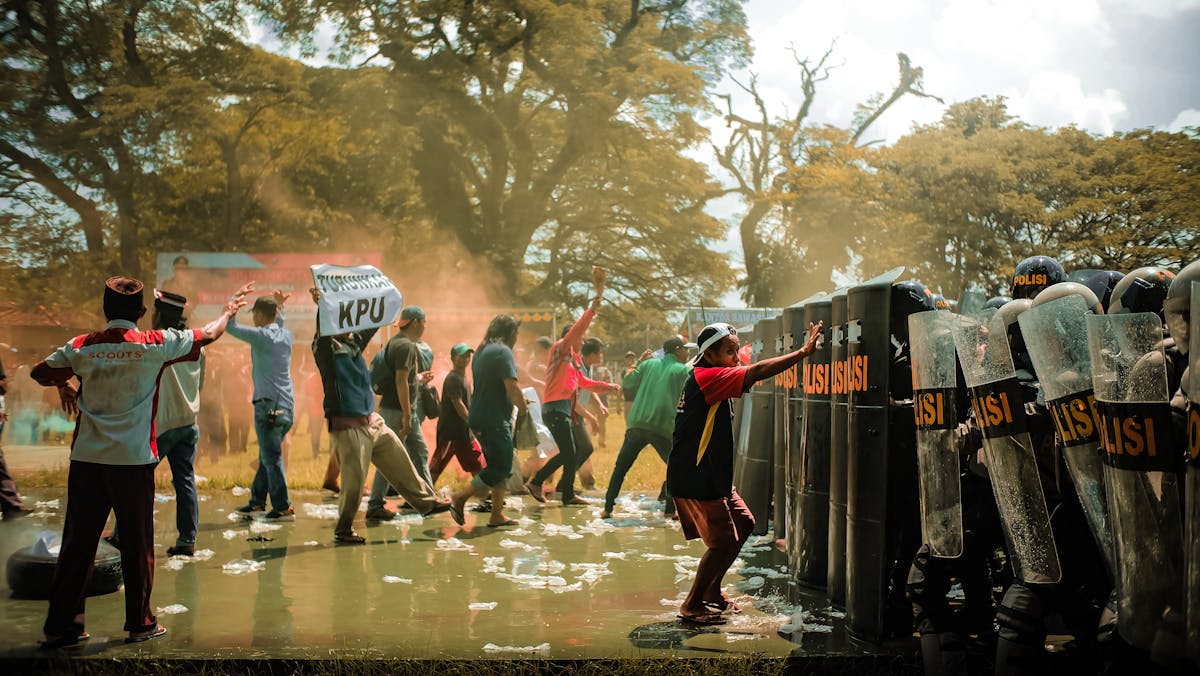
Recent reports indicate that military movements have increased along the frontier, raising concerns among local populations and international observers. Small-scale clashes and verbal escalations have stoked fears of a broader conflict, especially given the historical volatility of this region. Local residents on both sides have reportedly been advised to remain vigilant, with some villages preparing for potential evacuation if violence intensifies.
While the recent event did not cause significant harm, the symbolic importance of the disputed land continues to stir intense feelings. To numerous Cambodians, the temple stands as a cherished symbol of their cultural heritage, and any perceived challenges to its sovereignty are met with seriousness. For Thais, particularly those residing in the northeastern regions adjacent to Cambodia, issues of national identity and territorial integrity are similarly urgent.
Showcasing military strength and a rise in troop numbers have once more underscored how tenuous peace can be in this border area. Officials from Thailand and Cambodia have exchanged allegations, with each party accusing the other of starting provocations. Occasionally, even small infrastructure undertakings—like building roads or military bases—have been perceived as aggressive moves by the opposite side.
The intricacies surrounding the border dispute between Thailand and Cambodia extend beyond mere geographical concerns or historical sites. Internal political factors frequently have a substantial impact. In both nations, nationalistic feelings can intensify during periods of political turbulence, and border conflicts have often been employed to garner public backing or shift focus away from domestic turmoil. Changes in leadership or election-related stress often align with increased border tensions, indicating that domestic issues can influence decisions in foreign affairs.
International mediation has historically played a role in reducing tensions, especially with the participation of ASEAN and the United Nations. Such diplomatic endeavors have resulted in short-term ceasefires and troop withdrawals, yet a permanent solution has remained out of reach. Although Thailand and Cambodia have held bilateral discussions occasionally, deep-seated mistrust and conflicting historical stories have obstructed any enduring pact.
The impact of the ongoing tension at the Thai-Cambodian frontier has significant regional consequences that must not be ignored. Both nations hold crucial positions within ASEAN, and disturbances in one place can influence commerce, tourism, and diplomatic unity in the larger area. As Southeast Asia aims for greater integration, ongoing border conflicts such as this highlight that lingering historical disputes continue to challenge unity.
Moreover, the situation has socioeconomic consequences. Local economies along the border depend heavily on cross-border trade, agriculture, and informal commerce. When tensions rise, border checkpoints are often closed, disrupting the livelihoods of thousands. For many families, a prolonged stand-off could mean loss of income, limited access to services, and increased insecurity.
Cultural preservation is another dimension of this conflict. The Preah Vihear temple, a UNESCO World Heritage Site, is an invaluable part of Southeast Asia’s architectural and spiritual heritage. During past clashes, the site suffered minor damages, raising concerns about the potential for irreparable harm should future skirmishes escalate. Both Cambodia and Thailand have pledged to safeguard the monument, but military activity in the vicinity puts that promise at risk.
Although these difficulties persist, opportunities for diplomatic engagements and conversations remain. Organizations within civil society in both nations have promoted initiatives to build peace, encourage cross-border collaboration, and support cultural exchange projects to enhance mutual comprehension. Young people’s associations, historians, and artists have collaborated to change the story, emphasizing common heritage over disputes about borders.
Efforts at de-escalation require political will, transparent communication, and trust-building measures. Confidence-building strategies, such as joint patrols, demilitarized zones, or third-party mediation, could offer pathways forward. The role of regional organizations will also be crucial in facilitating impartial dialogue and providing frameworks for conflict resolution.
It is also important to recognize the role of misinformation in exacerbating these disputes. In the digital era, rumors and inflammatory content can spread rapidly, fueling hostility and misperceptions among the general population. Responsible reporting and fact-based communication from both governments and media outlets will be essential in preventing further escalation.
The latest disturbances along the Thai-Cambodian frontier highlight how unresolved historical disagreements can reemerge unexpectedly. Even though the matter might appear confined to a specific area, its influence spreads further, affecting regional stability, economic growth, and cultural heritage preservation. Achieving a lasting resolution will rely not just on diplomatic discussions, but also on community-based efforts that prioritize collaboration over confrontation. As tensions rise once more, the global community will be observing attentively, wishing for dialogue to triumph over disunity.