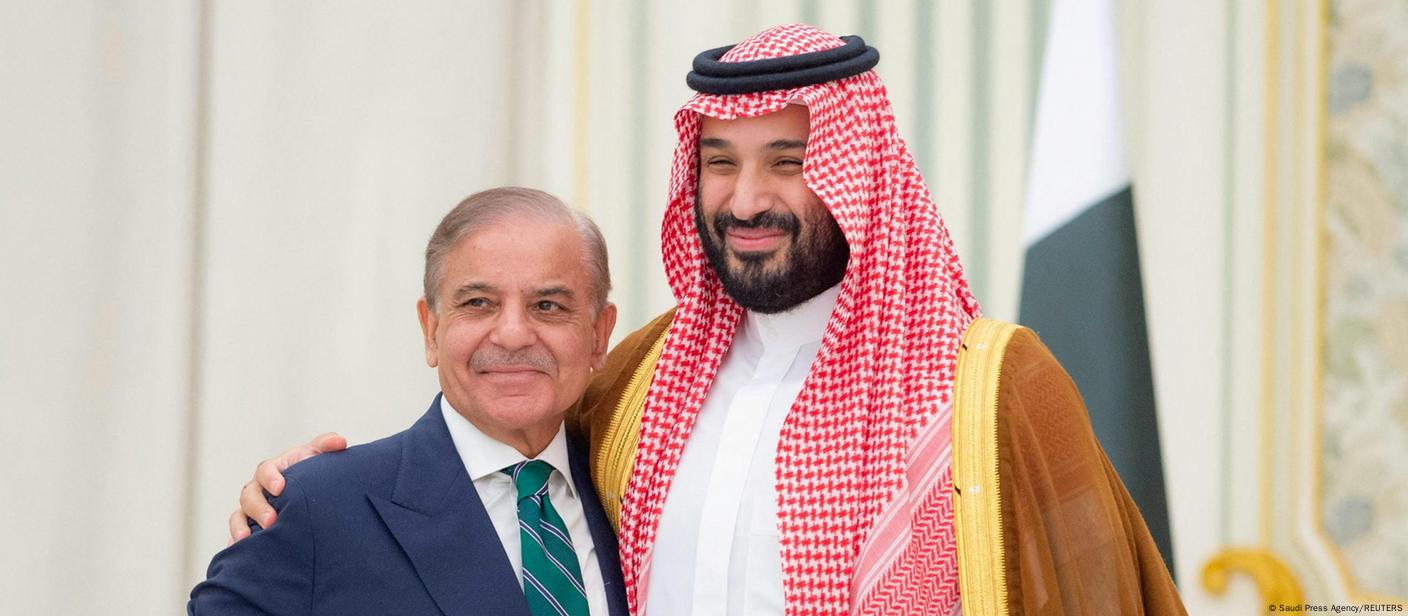
Saudi Arabia and Pakistan have established an agreement for mutual defense, marking a strategic shift in regional security as Gulf nations reevaluate their dependence on American protection. This alliance highlights the evolving dynamics in the Middle East and South Asia, with consequences for military collaboration, diplomacy, and geopolitical stability.
The deal between the two countries comes amidst elevated regional pressures and changing international partnerships. Saudi Arabia, an influential force in Gulf affairs, has typically depended on the United States for security assurances, especially concerning risks from Iran and other local players. Nevertheless, recent doubts about U.S. involvement in the Middle East have led Riyadh to seek new alliances to bolster its defense resources. Pakistan, with its significant military framework and history in regional disputes, appears as a suitable ally in this scenario, providing both personnel and strategic know-how.
Strategic motivations behind the pact
The mutual defense pact reflects a convergence of interests between Riyadh and Islamabad. For Saudi Arabia, the agreement provides access to trained military personnel, joint exercises, and potential coordination in defense planning, reducing overreliance on external actors. It also serves as a geopolitical signal to the region and the world, demonstrating that Gulf states are seeking diversified security arrangements amid shifting US policies and perceived unpredictability in Washington’s commitments.
For Pakistan, the deal presents opportunities for increased influence in Gulf affairs, economic collaboration, and strategic partnerships beyond South Asia. Islamabad has historically maintained close military and political ties with Gulf states, but the formalization of a defense pact elevates this relationship, positioning Pakistan as a significant player in regional security architecture. Analysts suggest that this partnership may also involve intelligence sharing, joint counterterrorism initiatives, and military training programs, strengthening both countries’ defense readiness.
The timing of the pact is significant. In recent years, US attention has increasingly focused on the Indo-Pacific, leaving some Gulf states questioning the consistency and reliability of American support. While the US continues to maintain a military presence in the region, evolving foreign policy priorities and domestic political considerations have fueled concerns about long-term security guarantees. The Saudi-Pakistani agreement can thus be viewed as a proactive measure to hedge against potential gaps in US engagement.
Effects on regional stability
The mutual defense treaty holds both immediate and lasting impacts on the stability of the region. It could serve as a deterrent to external threats, indicating to opponents that Saudi Arabia and Pakistan stand ready to tackle security issues together. Amidst the ongoing strains with Iran, the civil strife in Yemen, and security concerns in the Gulf waters, this agreement might improve military collaboration and preparedness for operations.
However, the pact may also trigger shifts in regional alliances. Rival states may perceive the agreement as a realignment of power, prompting recalibrations in defense policies, diplomatic strategies, and strategic investments. Analysts warn that while strengthening bilateral ties, the pact must be carefully managed to avoid exacerbating tensions or prompting an arms race, particularly in a region already characterized by complex geopolitical rivalries.
The pact may also influence the role of multinational organizations and alliances. Cooperation between Saudi Arabia and Pakistan could intersect with Gulf Cooperation Council initiatives, UN peacekeeping efforts, and broader international security frameworks, creating opportunities for joint engagement in multilateral settings. Coordination in these forums can reinforce legitimacy, provide operational support, and enhance diplomatic influence for both countries.
Economic and military aspects
Beyond defense, the agreement carries economic and logistical implications. Joint military exercises, procurement of defense equipment, and technology transfers can stimulate economic cooperation and create avenues for shared investment. Saudi Arabia may benefit from Pakistan’s experience in military technology and training, while Pakistan could secure defense contracts, funding, and infrastructure development opportunities.
The military dimension of the pact may include deployment of troops, establishment of training facilities, and integration of command structures for coordinated responses. While specifics remain largely confidential, experts suggest that the agreement reflects a commitment to shared strategic objectives and enhanced operational interoperability. This level of cooperation not only strengthens defense capabilities but also sends a message of unity and resilience to external observers.
Additionally, the pact may have indirect effects on regional energy security. The Gulf’s oil and gas infrastructure is vital for global markets, and the agreement could bolster protection measures, ensuring uninterrupted production and export. Stability in these sectors benefits not only the signatory nations but also international partners and investors who rely on reliable energy flows from the region.
International implications and worldwide scenario
The agreement between Saudi Arabia and Pakistan could alter diplomatic strategies, both at a regional and global level. It highlights the Gulf nations’ interest in forming strategic alliances outside of their traditional Western partnerships, indicating a period of varied security frameworks. This transformation might prompt additional countries to seek comparable deals, focusing on self-sufficiency, regional cooperation, and multilateral interaction.
For the United States, the advancement signifies both an obstacle and a potential. Although the agreement shows that Gulf nations are looking to diversify beyond reliance on US military aid, it also creates avenues for the US to participate in fresh regional initiatives, possibly fostering three-way collaborations or combined drills involving American troops. Diplomatic endeavors might concentrate on harmonizing goals while honoring the independent defense choices of Gulf countries.
Worldwide, the deal might influence power relations in South Asia, the Middle East, and the wider scope of global interactions. Seeing Pakistan as a central ally in Gulf security, its strategic impact grows, possibly affecting talks, partnerships, and efforts to resolve conflicts in nearby areas. Analysts point out that this setup might also impact global defense markets, agreements in the arms trade, and regional military purchasing plans.
An intricate approach
As Saudi Arabia and Pakistan put their shared defense agreement into effect, attention will center on putting the pact into action, improving combined capabilities, and preserving equilibrium within regional intricacies. Both countries must steer through difficulties like synchronizing military actions, merging intelligence systems, and handling community perceptions. Achievement will hinge on effective communication, unified strategic goals, and compliance with the legal and diplomatic principles that steer international security partnerships.
The pact highlights broader trends in global geopolitics, including the diversification of security partnerships, the reassessment of traditional alliances, and the emphasis on regional self-reliance. As Gulf states adapt to shifting strategic landscapes, collaborations like the Saudi-Pakistani defense agreement may become increasingly common, reflecting evolving priorities in military readiness, economic stability, and diplomatic influence.
In the end, the arrangement highlights the intricate dynamics between national security, regional partnerships, and worldwide diplomacy. By enhancing their defense collaboration, Saudi Arabia and Pakistan not only tackle urgent security issues but also help to mold a new epoch of strategic alliances, characterized by adaptability, cooperation, and active involvement, which frame the outlines of regional stability.