





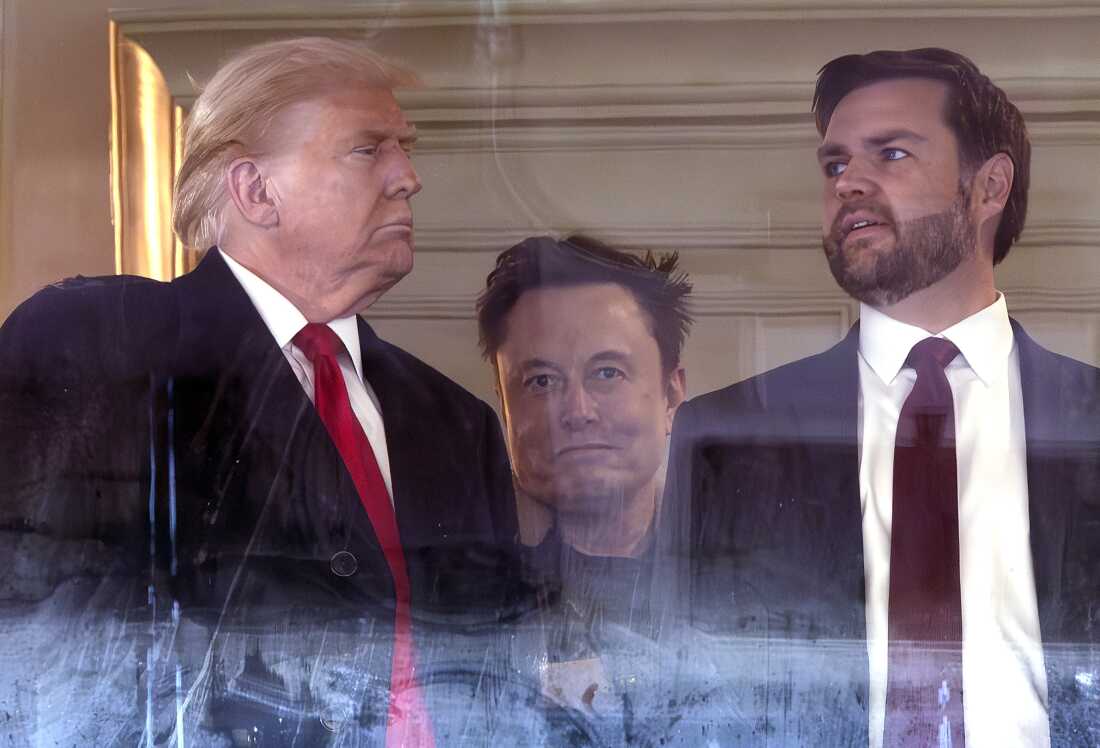
In recent times, the interaction between ex-U.S. President Donald Trump and billionaire businessman Elon Musk has shown signs of fracturing, indicating a significant change in the connection between political and business leadership in the United States. Previously considered as possible partners with shared interests in reducing regulations, fostering economic prosperity, and advocating for free speech, these prominent individuals now appear to be heading in different directions, with potential consequences that may affect both the political arena and the corporate sector.
The relationship between Trump and Musk has cooled progressively, becoming evident over time. Although their interactions were never officially defined as a political alliance, public commentary, social media exchanges, and business events indicate that the former mutual respect has given way to critique, discord, and separation. This perceived “falling out” highlights broader frictions between the political right and tech industry executives as both factions maneuver through a more divisive social and economic climate.
Donald Trump, known for his unfiltered communication style and polarizing political positions, has long courted the support of high-profile business figures. Throughout his presidency and subsequent political activities, he frequently praised innovation, entrepreneurship, and deregulation—values that align with many of Musk’s business philosophies. Musk, as the CEO of Tesla, SpaceX, and other ventures, has built his reputation on disrupting traditional industries, pushing the boundaries of technology, and advocating for less governmental interference in private enterprise.
There was a period when the two individuals seemed to find agreement, especially regarding economic matters. Musk was a member of the presidential advisory boards during the initial period of Trump’s presidency, taking part in talks about production, infrastructure, and employment growth. Nonetheless, this consensus started to break due to major policy discrepancies, particularly Trump’s choice to exit the United States from the Paris Agreement on climate change—a decision that led Musk to step down from his advisory positions in objection.
The initial divergence hinted at a broader philosophical divide between the two individuals. Although they both support the progression of American industry and technology, Musk has progressively established his image as a worldwide strategist dedicated to sustainability, space travel, and digital breakthroughs. On the other hand, Trump’s policy approach has consistently emphasized nationalism, protectionist measures, and classic manufacturing practices.
The gap between them has grown even larger since the end of the presidency. Trump’s reentry into politics, along with his ambitions for another term, has been characterized by intensified speeches, legal challenges, and a strong hold on his dedicated supporters. Conversely, Musk has moved into a multifaceted public position, which involves owning the social media platform X (previously known as Twitter), making contentious remarks, and encountering more criticism regarding his leadership approach and business choices.
A key point of friction has emerged around the topic of free speech and digital platforms. Musk has styled himself as a free speech absolutist since acquiring X, criticizing censorship and promoting open discourse—even when it involves controversial viewpoints. While this position might seem compatible with Trump’s own criticisms of so-called “cancel culture” and media bias, their personal ambitions and conflicting approaches to communication have introduced discord.
Trump’s once powerful presence on social media, particularly on platforms such as Twitter, faced significant limitations following the incidents of January 6, 2021. The launch of his personal platform, Truth Social, illustrates his aspiration for a standalone means of communication and his move away from traditional tech platforms. Musk’s later choice to reactivate Trump’s suspended Twitter account, after purchasing the company, introduced added intricacies, yet Trump predominantly opts to stay on Truth Social, declining to go back to the platform that had once been his main voice.
Additionally widening the divide is the issue of political stance and support. Although Musk has shared centrist and libertarian tendencies, showing some backing for Republican initiatives, he has also openly separated himself from Trump’s style of populism. On occasions, Musk has voiced criticism toward both leading political parties, promoting a focus on balance, creativity, and forward-thinking strategies.
This detachment became more pronounced when Musk made clear that he did not support Trump’s bid for re-election and suggested that a new generation of leadership would better serve the country. In response, Trump, known for his tendency to publicly disparage critics, took aim at Musk in speeches and social media posts, questioning his business practices and personal integrity.
The personal animosity between the two has since been amplified by broader societal issues, including discussions around electric vehicles, climate change, labor rights, and media influence. Trump’s continued support for fossil fuels and traditional manufacturing contrasts sharply with Musk’s commitment to renewable energy and electric transportation. At the same time, Musk’s controversial management decisions and statements have at times alienated both political progressives and conservatives, leaving him in an increasingly isolated position in the public discourse.
From a commercial standpoint, the divergence between Trump and Musk is noteworthy as well. Although both individuals have substantial economic clout, their enterprises exist in distinct domains. Trump’s brand is deeply entrenched in property, hospitality, and political activities, whereas Musk’s empire is founded on pioneering technology, space ventures, and the evolving digital environment. Their differing focuses suggest that even without personal disagreement, their business trajectories were unlikely to intersect significantly in the long run.
For individuals in the United States focusing on employment, financial aspects, and government affairs, this division prompts significant inquiries regarding where commerce meets politics in today’s world. The connection between governmental authority and business leadership has historically influenced policy-making and economic results. The visible unraveling of the Trump-Musk partnership indicates that these types of connections might be less stable than they initially appear, especially when personal goals, company reputation, and differing beliefs are involved.
The broader implications of this split also touch on the future of political endorsements by business leaders. In an era where public figures are held accountable not just by shareholders but by consumers and global audiences, CEOs and entrepreneurs must navigate complex reputational risks when engaging with political movements or figures. The Trump-Musk episode serves as a case study in how quickly such alliances can unravel, and how public sentiment can shift in response.
As the political season heats up and Trump continues to pursue influence in American politics, the question of which business leaders will choose to align—or distance themselves—from his platform will remain a focal point of analysis. For Musk, maintaining independence from partisan politics may allow him to preserve his brand’s broad appeal, especially as his companies rely on global markets, government contracts, and a diverse customer base.
In conclusion, the apparent end of the Trump-Musk relationship underscores the evolving nature of power, influence, and leadership in both politics and business. While brief alliances may arise out of shared interests or goals, lasting partnerships require deeper alignment of values, vision, and public positioning. The case of Trump and Musk demonstrates how differing ambitions and worldviews can ultimately create insurmountable divides, even between two of the most influential figures in modern American history.
As the landscape continues to shift, both men will remain central players in their respective domains, but their paths, once briefly aligned, now seem destined to move in entirely separate directions.