In a dramatic turn of events, the President of Indonesia has made significant policy concessions following a series of deadly protests that forced the cancellation of a planned diplomatic visit to China. The unrest, which erupted across multiple cities, highlighted deep social and economic grievances, prompting the government to reconsider its approach to domestic policy and international engagements. The incident underscores the delicate balance Indonesia faces as it navigates internal pressures while maintaining its role on the global stage.
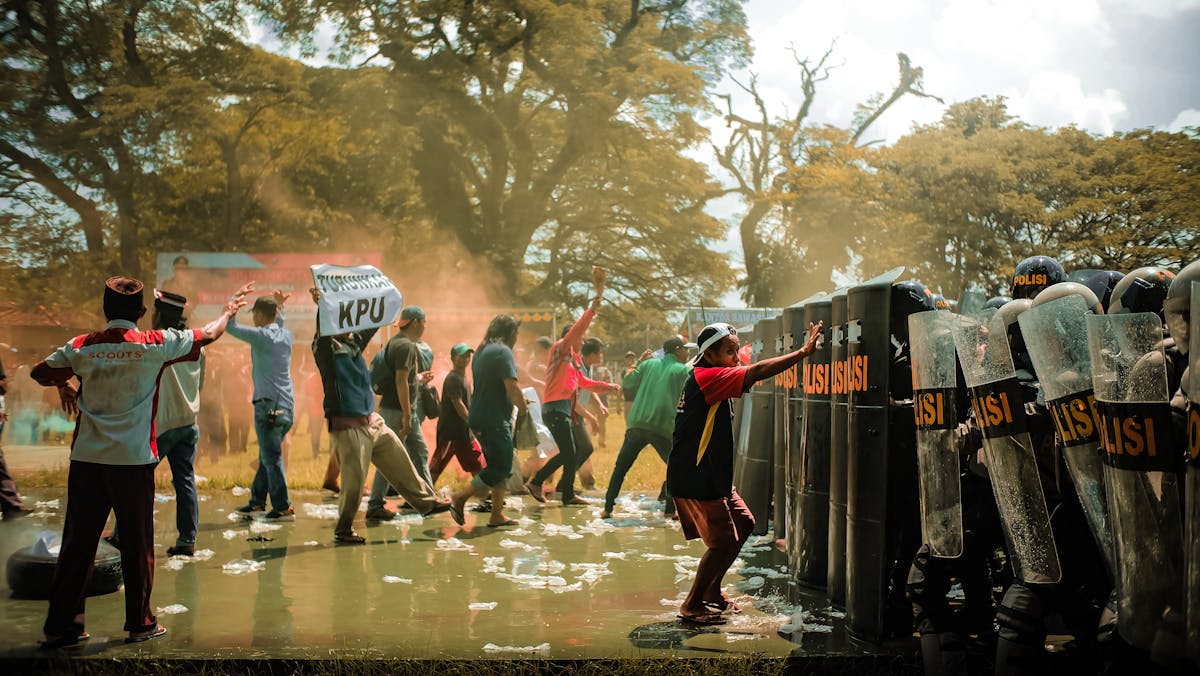
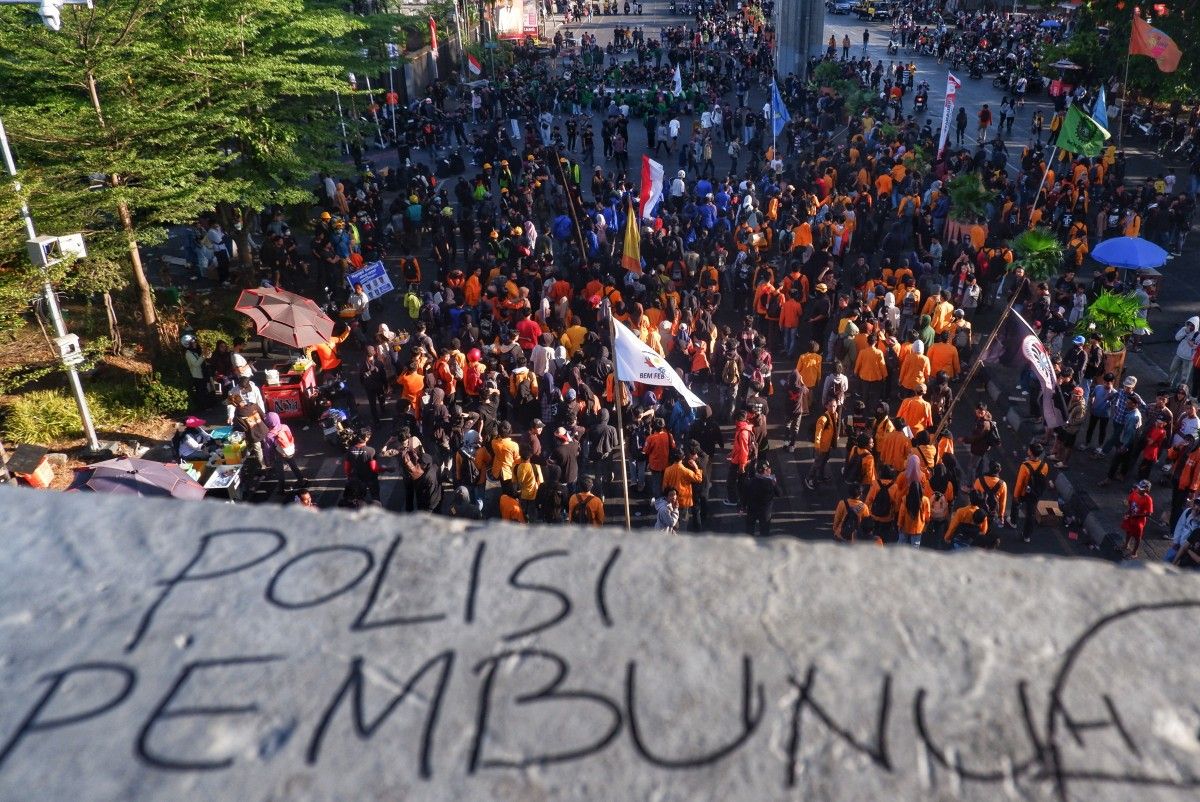
The demonstrations commenced earlier this week and swiftly intensified into fierce confrontations between protesters and law enforcement. People gathered in the streets to voice their discontent regarding increasing living expenses, recent economic policies, and an alleged lack of government attention to public well-being. In various locations, the protests became fatal, resulting in numerous deaths and hundreds of injuries. The severity of the protests, alongside increasing public anger, rendered it unfeasible for the president to attend the scheduled summit in China, which was aimed at enhancing bilateral trade and investment relations.
Analysts observe that canceling the summit visit stands out as an uncommon example of swift policy adjustment due to internal turmoil. By postponing the journey, the president demonstrated the gravity of the national situation and placed more importance on addressing the public’s issues than on international diplomatic engagements. This decision highlights the realization that public backing is crucial for enduring political stability and economic growth in a nation as varied and populous as Indonesia.
The concessions announced by the president include measures aimed at reducing the financial burden on households, particularly among lower-income communities. These measures involve temporary subsidies on essential goods, adjustments to fuel pricing, and a review of controversial economic reforms that had sparked the initial wave of protests. Government officials have emphasized that these steps are intended to demonstrate responsiveness to public sentiment and restore trust between the administration and the population.
In addition to providing urgent financial aid, the administration has promised to involve a wider range of consultations with civil organizations, labor unions, and regional leaders to guarantee that upcoming policies include a more participatory decision-making process. This strategy seeks to avoid additional unrest by establishing avenues for communication and cooperation, allowing citizens to have a direct role in influencing economic and social changes.
The cancellation of the China summit, while significant diplomatically, also carries implications for Indonesia’s foreign policy strategy. China is a major trading partner and investor in Southeast Asia, and the visit had been expected to solidify agreements on infrastructure projects, trade deals, and strategic cooperation. By postponing the trip, Indonesia temporarily delays these negotiations, which could affect timelines for ongoing initiatives such as port development, energy projects, and technology collaborations. However, analysts suggest that the government’s domestic stability measures are likely to enhance its negotiating position in the long term, demonstrating a commitment to a stable, well-governed environment.
Public reaction to the president’s concessions has been mixed. Some citizens view the policy adjustments as a positive step toward addressing systemic inequalities and ensuring that economic growth benefits a broader segment of society. Others remain skeptical, questioning whether these measures are sufficient to tackle the root causes of widespread discontent. Social media platforms have been filled with debate, reflecting the country’s diverse opinions and the high level of civic engagement among Indonesians.
The duties of police and emergency services have also faced examination. Authorities were sent to manage order during the protests, but allegations of undue force have led to demands for increased transparency and change. Civil rights groups have stressed the importance of measured actions that safeguard public security while respecting the right to peaceful protest. These conversations are anticipated to shape forthcoming plans for managing civil disorder and ensuring that demonstrations stay peaceful.
Economists warn that the protests and subsequent policy concessions may have short-term economic repercussions, including market volatility, disruptions to trade, and delays in foreign investment projects. However, many agree that these steps are crucial for maintaining long-term stability. Ensuring that citizens feel heard and protected can foster a more resilient economy, encourage sustainable development, and prevent deeper social fractures.
The situation in Indonesia also underscores the wider ramifications for the region. Southeast Asia comprises multiple developing nations grappling with the task of harmonizing swift economic expansion with social justice and public approval. How Indonesia addresses internal discord provides insights for neighboring states on handling crises, the significance of active communication, and the necessity of focusing on public welfare while honoring international obligations.
Specialists highlight that it is crucial for the government to persist in observing the social and economic environments to avoid potential escalations. Proposed strategies involve enhancing social welfare nets, developing tailored job programs, and increasing clarity in policy formulation. Good communication with the populace, along with prompt and impactful measures, will be essential in ensuring that the public views the government as attentive and responsible.
The incident also raises questions about the interplay between domestic politics and international diplomacy. While leaders often seek to project stability and continuity abroad, unexpected domestic crises can force difficult trade-offs. In this case, the president’s decision to cancel the China summit reflects a calculated prioritization of national stability over immediate diplomatic engagement. Observers suggest that this approach may ultimately strengthen Indonesia’s credibility on the international stage by demonstrating a commitment to responsible governance.
In addition to policy adjustments, the administration has launched public outreach initiatives to explain the rationale behind the decisions and solicit feedback from affected communities. Town hall meetings, online forums, and collaboration with local authorities are being used to engage citizens directly. By fostering dialogue and transparency, the government aims to rebuild trust and encourage constructive participation in shaping future policies.
The events in Indonesia also underscore the importance of crisis preparedness in modern governance. Governments must be ready to respond rapidly to social, economic, and political disruptions while maintaining essential functions and safeguarding international relationships. Effective crisis management involves a combination of strategic planning, adaptive leadership, and open communication with both domestic and foreign stakeholders.
Anticipating future developments, Indonesia confronts the task of executing the declared concessions efficiently as it gets ready to reintegrate into global discussions, such as the postponed summit with China. Achieving success will rely heavily on the meticulous collaboration among government officials, the public sector, corporate executives, and foreign allies. The skill to harmonize internal stability with international relations is expected to shape the government’s reputation both nationally and internationally.
The recent demonstrations and resulting policy changes in Indonesia demonstrate the intricate relationship between internal management and global diplomacy. By addressing public demands and delaying an important foreign trip, the president has shown a readiness to place public well-being at the forefront while managing tough economic and social scenarios. The upcoming months will be crucial for evaluating the success of these actions, the strength of public confidence, and the nation’s ability to continue its diplomatic missions with stability. Indonesia’s situation provides useful lessons in crisis management, the critical role of adaptive leadership, and the lasting importance of harmonizing national priorities with global objectives.