



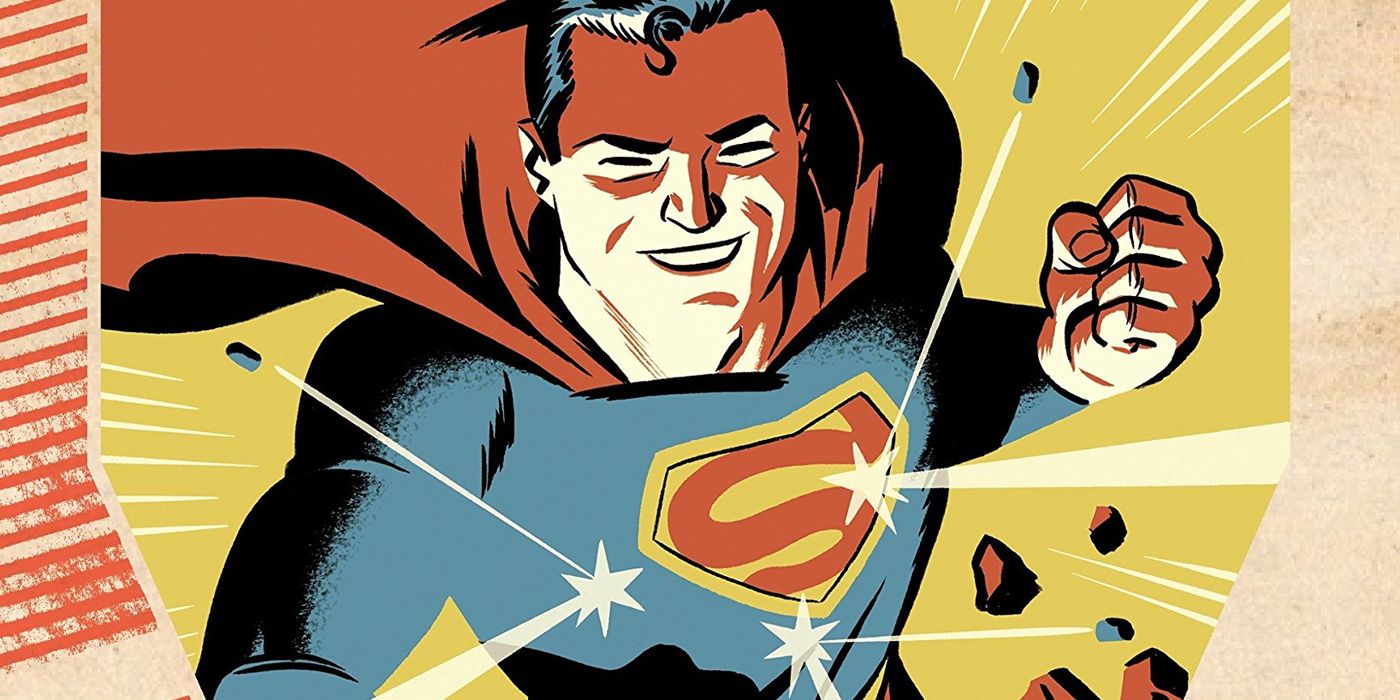
Much before Superman transformed into the emblematic, quintessential American hero associated with his steadfast stand for truth, justice, and the renowned path, his initial version was considerably more unconventional and defiant than many people now understand. The first tales of the Man of Steel depicted him not as a courteous guardian of the established order, but as an advocate who opposed authority, resisted oppressive forces, and battled vigorously for those without power.
Created in the late 1930s by Jerry Siegel and Joe Shuster, two young men from working-class, immigrant families, Superman was initially imagined as a hero who embodied the frustrations and aspirations of ordinary people struggling during the Great Depression. His first appearances in Action Comics depicted him standing up to corrupt businessmen, abusive employers, domestic abusers, and crooked politicians—anyone who used their position of power to exploit or harm others.
This version of Superman did not shy away from using force when needed. In his first appearance, he was observed hoisting vehicles, breaking through barriers, and handling situations independently to ensure justice was served. His ethical principles were driven more by a strong sense of equity and social justice rather than strict compliance with the law. Unlike the refined and restrained hero he eventually evolved into, this initial Superman was ready to bend the rules to achieve a higher purpose.
The sentiment in these narratives mirrored the extensive frustration with establishments that had let down countless individuals during the financial crisis. There was scant tolerance for avaricious magnates or apathetic lawmakers. By creating Superman, Siegel and Shuster expressed the notion that an individual could oppose these powers and defend the average person, even if it required defying conventional norms or breaking the rules.
Superman’s creators were themselves influenced by the social and political currents of their time. Economic hardship, rising fascism in Europe, and labor unrest in the United States all shaped the character’s identity. The first Superman stories resonated with working-class readers who saw in him a defender who wasn’t afraid to tackle injustice head-on.
An early comic shows Superman stepping into a scenario where a factory has hazardous working conditions, compelling the owner to implement modifications to safeguard the employees’ safety. In a different tale, he confronts dishonest politicians who are exploiting city politics for their own benefits. These stories depicted him not just as a powerful hero, but as a champion for justice and respect in daily life.
As the character gained more fame, Superman experienced major changes. In the 1940s and 1950s, following the end of World War II and as America’s global influence grew, Superman’s persona evolved into that of a national icon. The more extreme aspects of his initial tales were toned down or completely removed, supplanted by stories featuring extraterrestrial threats, amazing scientific feats, and classic conflicts between right and wrong. His defiant nature diminished, allowing a more standard hero who embodied common societal principles to emerge.
Este cambio reflejó transformaciones culturales más amplias dentro de la sociedad estadounidense. A medida que la nación ingresó en la era de la Guerra Fría, la desconfianza hacia cualquier cosa que se pareciera a políticas radicales aumentó, y el mundo del entretenimiento reflejó esta precaución. Superman se transformó en una figura amigable que promovía la estabilidad social en lugar de la agitación. Los primeros ecos de su carácter antiautoritario fueron en gran medida borrados de la imaginación popular.
However, the origins of Superman’s revolutionary start still captivate both historians and comic book fans. They function as a reminder that the initial superhero in the world emerged from a wish to tackle inequality, to oppose oppressive systems, and to provide the powerless with a hero who would be fearless in taking action.
Even in contemporary reinterpretations, echoes of that original rebellious spirit sometimes reappear. Writers and filmmakers occasionally revisit the idea of Superman as an outsider, a figure who must navigate the tension between power and morality, between following laws and doing what is right. These versions explore the complexities of heroism in a world where the line between justice and authority is not always clear.
The transformation of Superman throughout the years represents more than alterations in comic book narratives—it echoes the changes in social attitudes, anxieties, and dreams. Starting from his beginnings as a hero with working-class roots and progressive tendencies, to becoming a revered worldwide symbol, Superman’s adventure is closely linked to the events of the 20th and 21st centuries.
However, what stays unchanged is the core concept that Superman is there to guard and assist—not the strong, but the vulnerable. Even though his strategies and appearance might have transformed, the essence of the character remains aligned with the pursuit of justice, equity, and empathy.
The earliest portrayals of Superman might seem surprising or even jarring to modern audiences familiar with the polished, morally upright version that dominates film and television. Yet those original comics reflect an important truth: heroes are shaped by the times in which they are created. The injustices of the 1930s called for a hero who would not merely stand by, but who would act decisively—even defiantly—on behalf of the oppressed.
In rediscovering these early stories, readers are offered a glimpse of a different Superman: not just the invincible alien from another planet, but a symbol of human hope and resilience, born from hardship, and determined to make the world a better place, no matter the obstacles in his path.