





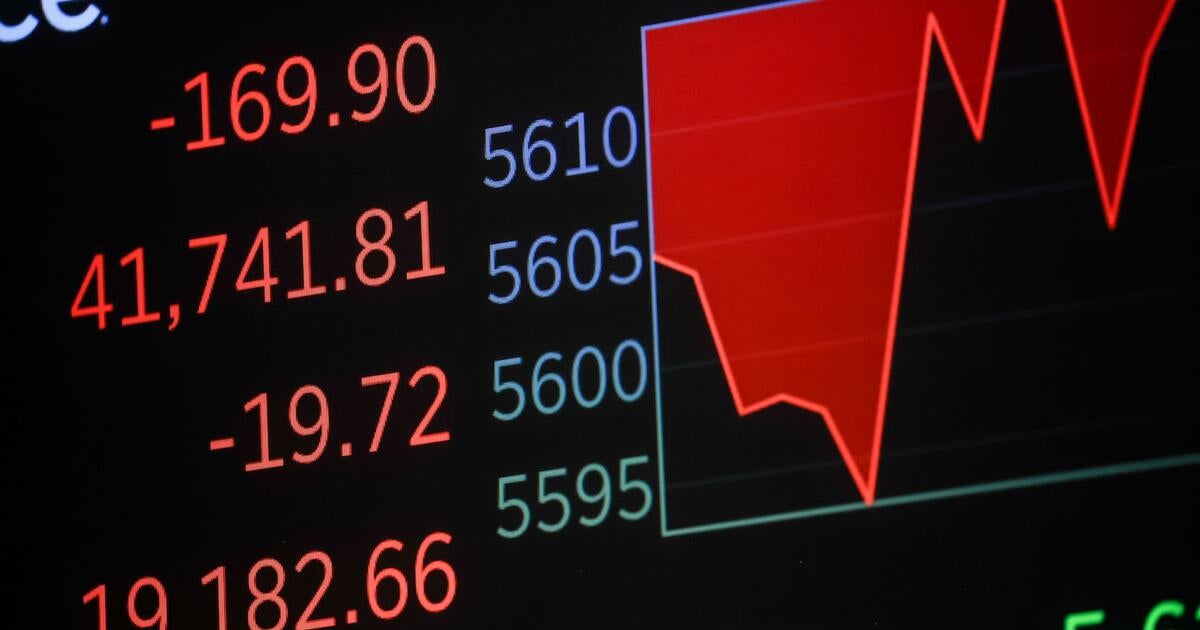
Global financial markets are witnessing a remarkable surge, with major U.S. stock indexes climbing to unprecedented levels. However, this rally faces an impending test as Wall Street prepares to navigate the uncertain terrain of new tariff discussions that could shape economic momentum in the months ahead.
In the past few weeks, growing investor confidence has propelled the S&P 500, Dow Jones Industrial Average, and Nasdaq Composite to record levels. This optimism is fueled by strong corporate earnings, consistent consumer spending, and careful optimism regarding the Federal Reserve’s strategy on interest rates. However, beneath this positive exterior, rising worries about possible trade barriers could jeopardize the present market path.
At the core of these worries is the growing likelihood of additional tariffs that might affect many sectors. The talks, engaging major participants in both local and global commerce, have added a new degree of unpredictability to a market scene already dealing with changing economic signals and international tensions.
Investors have been closely monitoring signals from the U.S. government, particularly regarding possible tariffs on imported goods that span sectors including technology, automotive, agriculture, and consumer products. Such measures, if implemented, could ignite retaliatory actions from trading partners, particularly China and the European Union, potentially leading to higher costs for businesses and consumers alike.
The market’s sensitivity to trade policy is not new. Over the past decade, financial markets have repeatedly demonstrated how swiftly they can react to changes in tariff regimes, with stock prices swinging on news of negotiations, agreements, or breakdowns. This time, however, the stakes appear higher as global supply chains remain fragile in the aftermath of the COVID-19 pandemic and ongoing geopolitical unrest.
Recent economic indicators have demonstrated strength in consumer expenditure and job numbers, both of which have played a role in the stock market’s upward trend. The tech industry, notably, has been a significant contributor, with leading firms posting earnings that have regularly exceeded projections. Advances in artificial intelligence, cloud services, and semiconductor technology persist in driving investor excitement, boosting valuations.
Yet some analysts warn that this upward trajectory could be vulnerable to external shocks, with tariffs representing one of the most immediate risks. The imposition of new trade barriers has the potential to increase inflationary pressures, disrupt supply chains, and create uncertainty in corporate planning—all of which could weigh on market performance.
The Federal Reserve’s stance on interest rates adds another layer of complexity. After aggressive tightening throughout the previous year, the Fed has signaled a more cautious approach for the remainder of the year, keeping rates steady while monitoring inflation trends. This moderation has helped stabilize investor expectations, contributing to the current market highs. However, if tariffs were to trigger an inflationary uptick, it could force the Fed to reconsider its position, potentially unsettling financial markets.
In this environment, market participants are seeking to balance optimism with caution. While many equity analysts remain bullish on the long-term outlook for U.S. stocks, particularly given the strength of corporate balance sheets and ongoing technological innovation, there is also widespread recognition that geopolitical developments could quickly alter the investment landscape.
El asunto que deben considerar los inversores no es solo si se implementarán aranceles, sino también cuán notable podría ser su efecto. Algunos sectores están más expuestos que otros. Por ejemplo, los fabricantes que dependen de cadenas de suministro globales o de materias primas importadas podrían enfrentar costos incrementados. Las empresas minoristas y de bienes de consumo pueden terminar transfiriendo aumentos de precios a los consumidores, posiblemente reduciendo la demanda. Por otro lado, ciertas industrias nacionales podrían beneficiarse de las medidas proteccionistas destinadas a protegerlas de la competencia extranjera.
The broader implications for global markets are also under scrutiny. Should the U.S. move forward with new tariffs, it could set off a chain reaction affecting trade relationships with major economies such as China, the European Union, Canada, and Mexico. These trading partners could respond with reciprocal measures, compounding economic disruption and heightening market volatility.
Foreign exchange markets are also expected to experience the repercussions. Trade tensions often affect currency exchange as investors look for safety in assets considered to be secure. This situation might create more challenges for global companies, especially those with substantial income from overseas operations.
In addition to the immediate economic consequences, the psychological impact of renewed trade tensions cannot be overlooked. Investor sentiment, often a key driver of market behavior, could shift rapidly in response to headlines about escalating trade disputes. This volatility could lead to sharp market corrections, even if the underlying fundamentals remain sound.
Historical precedents suggest that markets can absorb a certain degree of tariff-related disruption without derailing long-term growth. During previous trade conflicts, including the U.S.-China trade war of 2018–2019, equity markets experienced periods of volatility but ultimately regained their footing as negotiations progressed and partial agreements were reached. Nonetheless, each new round of tariffs introduces fresh variables that markets must digest.
In this complex environment, diversification remains a critical strategy for investors aiming to weather potential turbulence. Many financial advisors are encouraging clients to maintain balanced portfolios that include exposure to both growth and value stocks, as well as international assets that may be less correlated to U.S. trade policies.
The energy and commodities sectors are also areas to watch. Tariffs on certain imports could influence prices of essential goods such as oil, metals, and agricultural products. Fluctuations in these markets often have ripple effects across broader economic indicators, affecting both inflation and consumer spending patterns.
For business leaders, the possibility of tariffs adds more complexity to decision-making processes. Organizations might postpone investments in capital, modify supply chain plans, or rethink growth strategies based on changes in trade policies. These alterations can then impact hiring patterns and local economic dynamics, which subsequently affect market outcomes.
Government officials encounter a challenging responsibility. They must navigate between political demands to safeguard local businesses and tackle apparent trade disparities, and the realities of global interconnectivity where strict tariff strategies may lead to unforeseen effects impacting more than just the intended sectors. The difficulty is in formulating strategies that promote national economic development while avoiding retaliatory actions that might hinder wider economic advancement.
For individual investors, being knowledgeable and keeping a long-range view is crucial. Although short-term fluctuations might arise with any increase in tariff-related conflicts, the past strength of stock markets indicates that broadly diversified portfolios can handle these difficulties. Market downturns, while unsettling, are typically temporary events within the framework of extended growth patterns.
As stock markets remain close to their all-time peaks, focus will stay on changes in trade agreements and their possible impact on the economy. The upcoming months are expected to present a number of critical junctures as officials, business executives, and investors react to the shifting environment.
The U.S. stock market’s ability to withstand challenges has been assessed numerous times in the past. Although the ongoing surge indicates robust fundamental strengths, the implementation of fresh tariffs introduces an uncertain factor. The market’s reaction to this possible obstacle will rely not only on the details of any trade policies but also on the overarching global economic environment.
For now, investors remain cautiously optimistic, enjoying the gains of a record-breaking market while keeping a watchful eye on the unfolding tariff discussions that could shape the next chapter of Wall Street’s story.