


One unexpected remark at the BAFTA ceremony set off a worldwide discussion about disability, intention and accountability, and the scene on stage highlighted how precarious the boundary is between promoting inclusion and facing the hurt embedded in certain words.
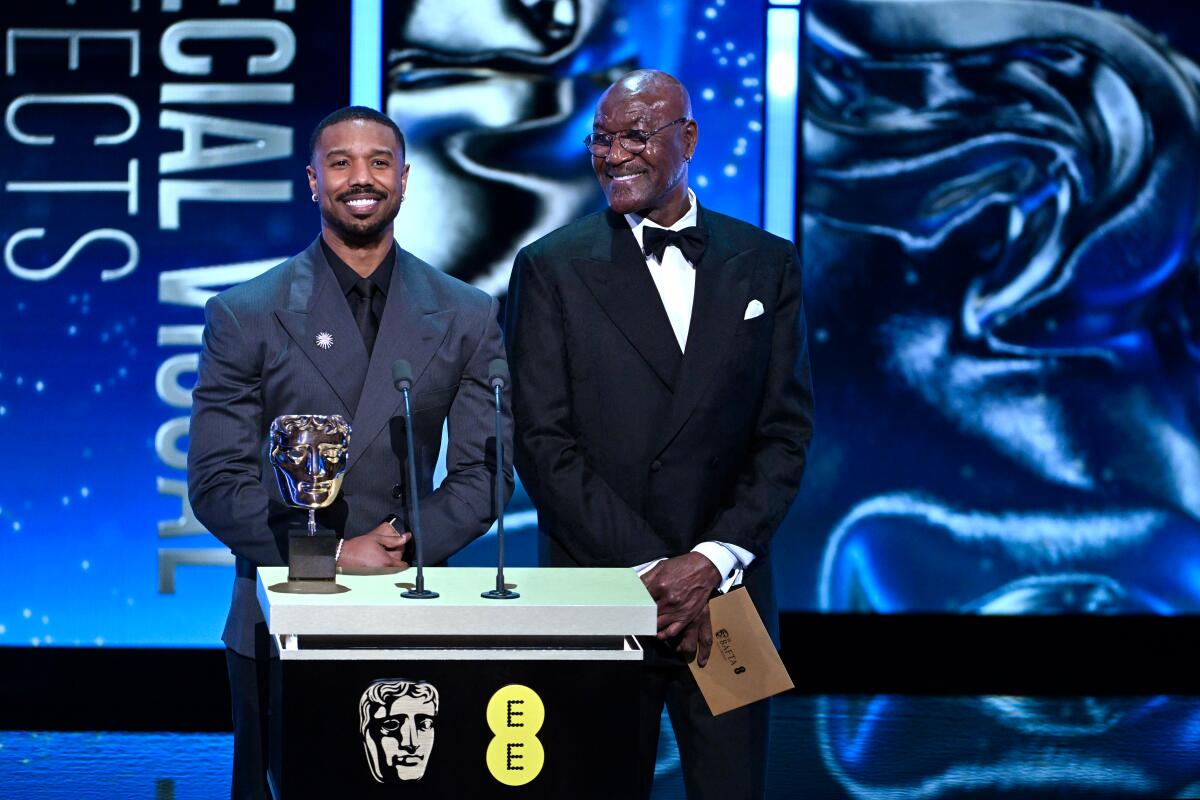
The 2026 BAFTA Film Awards in London had been poised to honor the year’s standout cinema, yet an unforeseen incident soon overshadowed the night’s creative celebrations. While Michael B. Jordan and Delroy Lindo were presenting a live award, someone in the auditorium suddenly shouted a racial slur. The term, burdened by generations of pain and prejudice, echoed far beyond the hall and ignited a wave of intense public debate.
The individual behind the outburst was John Davidson, whose life story served as the basis for the independent British film “I Swear.” Davidson lives with Tourette syndrome, a neurological condition marked by involuntary vocal and motor tics. In some instances, Tourette’s may involve coprolalia, meaning the spontaneous expression of socially unacceptable or offensive language. Before the ceremony, Davidson had openly voiced his worries about taking part in such a high-profile, emotionally intense occasion, fully aware that stress and sensory overload could heighten his symptoms.
The ceremony’s producers had informed the audience beforehand that involuntary vocalizations might occur. When the moment happened, there was an audible reaction in the hall. Host Alan Cumming addressed the incident, urging understanding and reminding attendees that Tourette syndrome is a disability. He offered an apology to anyone offended by the language, framing it as a reflection of the complexity of the situation rather than deliberate malice.
The broadcaster later admitted that the insult had remained in the delayed broadcast and stated that it would be taken out of the on‑demand versions, although the episode had already circulated widely and sparked extensive discussion online.
For Jordan and Lindo, both long-established performers, the moment came across as unmistakably abrupt. Lindo, especially, seemed briefly taken aback before recovering his poise and moving on with the presentation. The award they announced went to “Avatar: Fire and Ash” for visual effects, yet public attention stayed squarely on the incident that had just unfolded.
Disability, unintended speech and public perception
Tourette syndrome is often misunderstood. While popular media frequently portrays it as constant involuntary swearing, that particular symptom appears in only a small portion of those who experience the condition. For many individuals, Tourette’s emerges through recurring motions, facial tics or short vocal expressions. The irregular nature of these signs can lead to significant social anxiety, especially in environments marked by crowds, bright flashing lights or heightened emotional intensity.
Davidson has long advocated for greater awareness of the realities of living with Tourette’s. The film “I Swear” dramatizes his experiences and confronts the question of accountability for involuntary speech. Through its narrative, the screenplay raises a provocative ethical dilemma: can a person be morally responsible for words they physically cannot control? It draws comparisons to other disabilities that may cause accidental harm, inviting audiences to consider the limits of personal culpability.
In his own statement after the BAFTA ceremony, Davidson noted that he had opted to leave the auditorium early once he realized the discomfort his tics were creating. He stressed that his vocalizations do not represent his views and that he is profoundly concerned they might be mistakenly seen as deliberate.
Such remarks, though offered with genuine intent, cannot undo the weight of the term itself. Racial slurs are bound to histories of violence, degradation, and systemic oppression. For many audience members and onlookers, hearing the word — no matter the setting — caused real distress. At the center of the dispute is the tension between an involuntary neurological utterance and the social repercussions carried by language.
Apologies, accountability, and the boundaries of intent
In the immediate wake of the incident, questions arose not only about Davidson’s status but also about whether anyone ought to offer an apology. Host Alan Cumming’s comments from the stage were meant to steady the audience and recognize any possible harm. Still, some observers contended that the wording, especially the conditional “if you were offended,” came across as insufficient.
Hannah Beachler, the Oscar-winning production designer celebrated for her contributions to “Black Panther,” voiced her dissatisfaction with the way the apology was managed. She noted that an additional outburst that evening had been aimed at her and conveyed the emotional strain caused by hearing such remarks in what should have been a festive professional environment. Her reaction highlighted that, even when unintended, an action’s impact can feel profoundly personal.
The British Academy of Film and Television Arts later issued its own statement, recognizing the profound trauma associated with the slur and extending apologies to Jordan and Lindo. The organization also thanked Davidson for leaving the ceremony and pledged to learn from the experience.
The central ethical question remains unsettled. If a person cannot control a particular utterance due to a medical condition, is it appropriate for others to apologize on their behalf? Or does doing so inadvertently imply intentional wrongdoing? Conversely, does failing to apologize risk minimizing the legitimate hurt experienced by those targeted by the language?
These tensions underscore a wider societal challenge: finding a balance between empathy toward disability and responsibility for wrongdoing. In recent years, discussions around inclusion have stressed the importance of both support and dignity. The BAFTA moment revealed how these principles can clash in situations that are intricate and emotionally charged.
The awards race continues amid controversy
Despite the controversy, the ceremony continued as planned, capturing a season defined by expected triumphs alongside unexpected twists. Robert Aramayo, who plays Davidson in “I Swear,” earned the best actor award. During his acceptance remarks, he voiced his respect for the other contenders, among them Leonardo DiCaprio for his role in “One Battle After Another,” and Ethan Hawke, whose guidance had shaped Aramayo’s growth as a performer.
The ceremony distributed honors across a range of films. “Sinners” secured multiple awards, as did “Frankenstein,” demonstrating BAFTA’s tendency to spread recognition rather than concentrate it on a single dominant title. Sean Penn prevailed in the best supporting actor category over competitors such as Stellan Skarsgård and Benicio del Toro, both of whom had enjoyed momentum earlier in the season.
One of the evening’s major winners was “One Battle After Another,” which claimed six awards, including best picture and best director. Its success reignited speculation about its prospects at the Academy Awards. Historically, the BAFTAs and the Oscars have not always aligned in their top choices, though recent years have seen occasional overlap, as with “Nomadland” and “Oppenheimer.”
Other anticipated contenders experienced mixed fortunes. “Hamnet” received recognition as outstanding British film but collected fewer overall prizes than some industry observers expected. Meanwhile, “Marty Supreme” left the ceremony empty-handed, its star Timothée Chalamet still awaiting a defining awards-season triumph.
The blend of artistic celebration and cultural dispute shaped a distinctive atmosphere, as industry professionals centered on craftsmanship, performance and narrative while the broader public wrestled with issues of language, trauma and inclusivity.
Race, representation and the influence carried by language
The presence of Jordan and Lindo on stage at the time of the outburst intensified the symbolic weight of the moment. Both actors have built distinguished careers, and their composure under unexpected circumstances drew praise from observers. Their professionalism underscored the expectation that public figures, particularly Black artists, must often navigate uncomfortable or hostile environments with restraint.
Language has long held significant influence across the arts, where film, theater and television often depend on dialogue to express emotion, tension and identity, though some expressions surpass mere narrative purpose by summoning histories of oppression that context cannot soften; the slur uttered during the ceremony exemplifies this, tied unavoidably to a legacy of racial subjugation.
For audiences watching live or via broadcast, the incident became a reminder that even celebratory spaces are not insulated from broader societal tensions. It also illuminated the responsibilities of institutions in preparing for and responding to unpredictable events involving disability.
Accommodations for people with neurological conditions are increasingly recognized as essential to inclusive public life. However, high-profile ceremonies present unique challenges. Producers must weigh the value of authentic representation against the potential for harm. In this case, the advance warning to the audience reflected an effort at transparency, yet it did not fully mitigate the shock when the moment arrived.
Key insights for institutions and their audiences
In its official remarks, BAFTA expressed a determination to draw lessons from the incident, though what that learning will involve is still unclear. Potential steps might include more transparent explanations of Tourette-related vocalizations, sharper wording in future public apologies, or broader educational efforts addressing neurological disabilities.
At the same time, the incident offers an opportunity for broader reflection. Public discourse often demands swift moral judgments, but complex situations resist simple conclusions. Davidson’s condition does not negate the pain felt by those who heard the slur. Likewise, the harm caused by the word does not transform an involuntary tic into an act of hatred.
Navigating this dual reality calls for careful nuance, embracing a readiness to balance empathy with accountability. For some, the most meaningful approach may involve elevating reliable information about Tourette syndrome while also honoring the real experiences of individuals harmed by racist language.
As awards season continues and films like “I Swear” reach wider audiences, conversations about disability and responsibility are likely to persist. The BAFTA ceremony will be remembered not only for its winners and nominees but also for a moment that forced the entertainment industry — and the public — to confront difficult questions about language, intention and the boundaries of forgiveness.
In an era defined by rapid communication and viral reactions, a single word can dominate global headlines within minutes. The challenge for institutions and individuals alike is to respond with clarity, compassion and an understanding that some issues demand more than reflexive outrage or defensive dismissal. The events in London served as a stark reminder that inclusion is not merely about access to the stage, but about the ongoing effort to reconcile human vulnerability with collective responsibility.


