




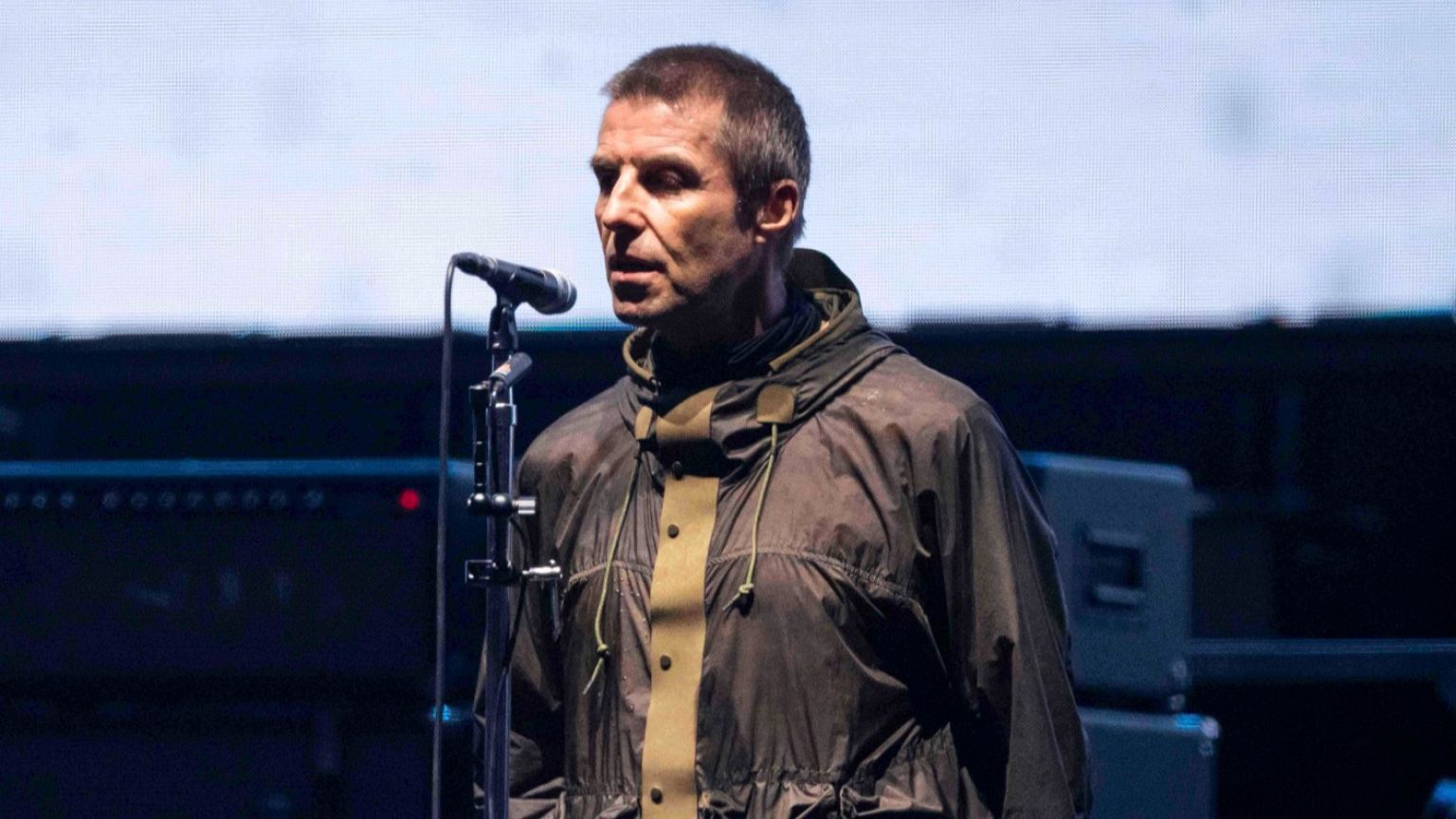
A man has passed away following a fall at a concert by the iconic British band Oasis held at Wembley Stadium. The incident occurred during a highly anticipated live performance that had drawn thousands of fans from across the country, turning a night of music and celebration into one marked by tragedy.
Emergency services arrived at the location soon after the incident was reported. Although the person received prompt medical assistance, he did not survive his injuries on site or shortly after. The identity of the man has not been disclosed by authorities, as they are notifying his relatives first.
The details regarding the incident are still being examined. Although an official explanation has not yet been provided, preliminary information indicates that the individual might have descended from a notable height inside the stadium. It is not certain if this occurrence was accidental or if other factors played a role, and authorities are collaborating closely with event officials to establish the timeline of events.
Wembley Stadium, known for hosting major sporting and entertainment events, has a comprehensive safety protocol in place, including crowd control measures and surveillance systems. As part of the investigation, security footage and eyewitness accounts are being reviewed to assess whether any safety barriers or procedures may have failed or been bypassed.
Concertgoers present at the scene described a moment of confusion and concern as emergency personnel responded to the incident. Many in attendance were unaware of the severity of the situation until after the event had concluded, when news began to circulate online and through local media outlets.
This unfortunate event has sparked conversations about crowd safety and venue responsibility at large-scale events. Although tragic incidents of this nature are rare, they underscore the importance of rigorous safety standards and the need for ongoing risk assessments in environments where large numbers of people gather.
Oasis, one of the most influential British rock bands of the 1990s and early 2000s, had reunited for this special performance, drawing a massive crowd of long-time fans. The group has not made a public statement regarding the incident at the time of this writing, but those close to the band expressed their condolences and concern for the victim and his loved ones.
Wembley authorities released a short announcement acknowledging the occurrence and stated they are working closely with the relevant authorities. They also assured the public that security is of utmost importance at all events held at the location and that a comprehensive internal investigation is in progress.
For individuals who observed the incident or felt the impact of the news, mental health assistance services are now accessible. Groups that focus on trauma support have advised people to seek help if they encounter any discomfort due to the event.
Historically, public venues have continuously evolved their safety standards in response to crowd-related incidents. Over the past two decades, advancements in crowd science, architectural design, and staff training have significantly improved the safety of large gatherings. However, incidents such as this one serve as sobering reminders that even with these improvements, risks remain and must be continually addressed.
As the investigation progresses, further details will likely shed more light on what led to the fatal fall. Until then, the focus remains on honoring the individual who lost his life and ensuring that steps are taken to prevent similar tragedies in the future.
The music community, fans, and event organizers are collectively mourning the loss. Tributes have begun appearing across social media platforms, with many attendees sharing memories of the concert while expressing sadness over the heartbreaking outcome.
While live music experiences are often among the most joyful and unifying events people attend, safety must always be a fundamental part of planning and execution. It is hoped that any lessons learned from this incident will be used to reinforce existing protections and contribute to the overall well-being of future concertgoers.
In the days ahead, it is expected that more information will become available as both public authorities and private stakeholders share their findings. Until then, this moment serves as a call for collective responsibility—among venues, organizers, and audiences alike—to ensure that events remain not only memorable but safe for all who attend.