Severe flooding has devastated areas in and around Beijing, leading to significant loss of life and widespread disruption. According to local authorities, at least 38 people have died as a result of the extreme weather, which brought rainfall levels close to what the region typically receives over an entire year. The disaster marks one of the most intense flooding events in recent memory for the Chinese capital and its surrounding provinces.
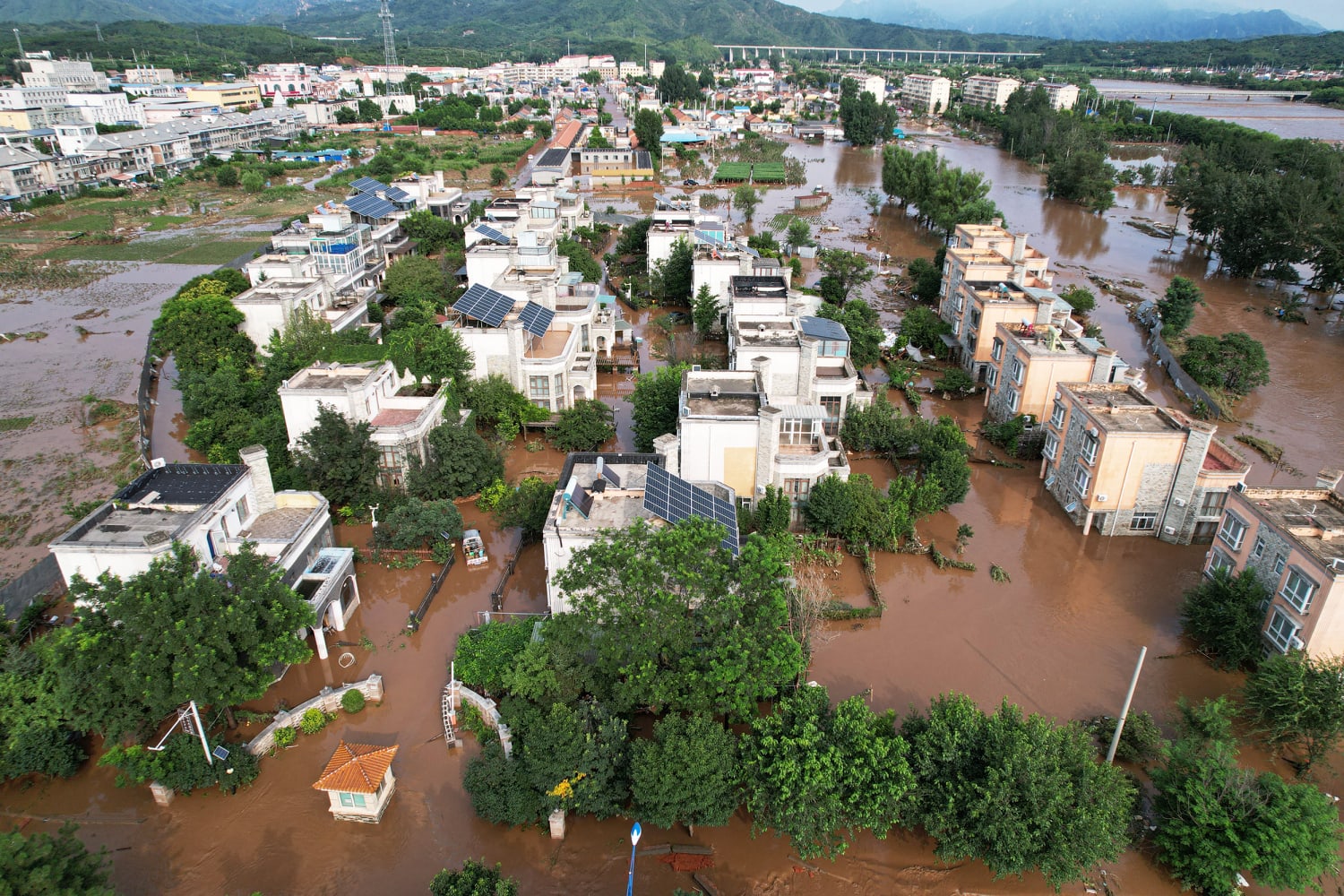
Initiated by a potent weather system that halted over northern China, the heavy rainfall led to rivers bursting their banks, inundation of communities, and crucial infrastructure collapsing under stress. Streets turned into waterways, metro services were suspended, and emergency teams faced challenges in reaching stranded inhabitants as the waters surged rapidly throughout both city and countryside areas.
The unprecedented rainfall—measured in some areas at nearly 750 millimeters (30 inches) over a few days—has overwhelmed both natural landscapes and urban drainage systems. Meteorologists noted that while summer storms are not uncommon in northern China, the intensity and duration of this event were well outside historical norms. Some monitoring stations reported record-breaking precipitation levels, reinforcing growing concerns about the increased frequency of extreme weather linked to climate change.
Among the most affected regions were the suburban areas in the western part of Beijing and sections of the adjacent Hebei Province. Numerous deaths happened due to houses falling down or cars being carried off by rising waters. Emergency services mobilized thousands of first responders, including military forces, to help with evacuations, provide assistance, and strengthen vulnerable infrastructure.
In one particularly tragic incident, a group of first responders attempting to evacuate residents was caught in a sudden surge, resulting in multiple casualties. Their sacrifice has been widely recognized as a testament to the dangers faced by those working on the front lines of disaster response.
Many individuals have been forced to leave their residences and are now living in temporary accommodations. The floods have also caused transportation disruptions, halted industrial activities, and harmed agricultural lands, leading to worries about the extended economic and humanitarian consequences. Regional authorities have promised monetary aid to the impacted households, while government agencies have sent extra resources to speed up recovery operations.
Beijing’s urban layout, marked by a mix of modern high-rises and older low-lying neighborhoods, posed unique challenges during the floods. Despite recent investments in drainage systems, the city’s infrastructure proved insufficient to handle rainfall of this magnitude. Urban planners have acknowledged the need for more resilient systems capable of managing extreme weather, particularly in light of shifting climate patterns.
Images from satellites taken before and after the storm illustrate significant alterations in the landscape: highways that were once busy are now calm lakes, and farming areas have transformed into marshlands. Specialists in environmental studies caution that the restoration might require months, particularly in low-lying regions susceptible to flooding, where water diminishes at a slow pace.
Meanwhile, public health officials are monitoring for secondary risks such as waterborne diseases, contamination of drinking water, and the spread of mold in damp buildings. Medical teams have been dispatched to affected areas, equipped with emergency supplies and portable treatment units.
This disaster comes amid broader national efforts to strengthen China’s disaster preparedness and climate adaptation strategies. Recent years have seen multiple provinces endure climate-related disasters ranging from floods to droughts and wildfires. Experts are calling for more proactive planning, including early warning systems, investment in sustainable urban design, and improved coordination between municipal and provincial governments.
The government has declared a period of mourning for the lives lost and is conducting detailed investigations into how response protocols can be improved. In a statement issued following the disaster, national leaders emphasized the importance of prioritizing public safety and modernizing critical infrastructure.
Although the current emphasis is on search and rescue operations, there is also a shift towards considering matters of long-term resilience. In what ways can quickly expanding cities such as Beijing adjust to more unpredictable weather patterns? What strategies are necessary to guarantee that new infrastructure can withstand flooding? Moreover, how should communities be informed and prepared for emergency situations?
This flood serves as a stark reminder of nature’s power and the urgent need to adapt urban environments to withstand the unpredictable impacts of climate change. It also underscores the importance of community solidarity and preparedness in times of crisis.
Mientras continúan las operaciones de limpieza y el país empieza a evaluar la magnitud completa del desastre, también están surgiendo relatos de supervivencia y heroísmo. Voluntarios, personal médico, vecinos y extraños se han unido para ofrecer comida, refugio y apoyo, demostrando fortaleza ante la tragedia.
The journey to healing has started, yet for a large number of people, the wounds caused by the flood—both tangible and psychological—will persist. In the upcoming weeks and months, reconstruction initiatives will aim not only at repairing destroyed structures but also at strengthening the systems required to avert events of this magnitude in the future.
Ultimately, the catastrophic flooding in the Beijing region is more than a weather event; it is a call to action. As communities mourn, rebuild, and adapt, the lessons learned here may help shape a safer and more prepared future.