


.jpg "How to Set Up an Offshore Company in Panama")
.jpg "Panama Pensionado Visa Requirements 2026")

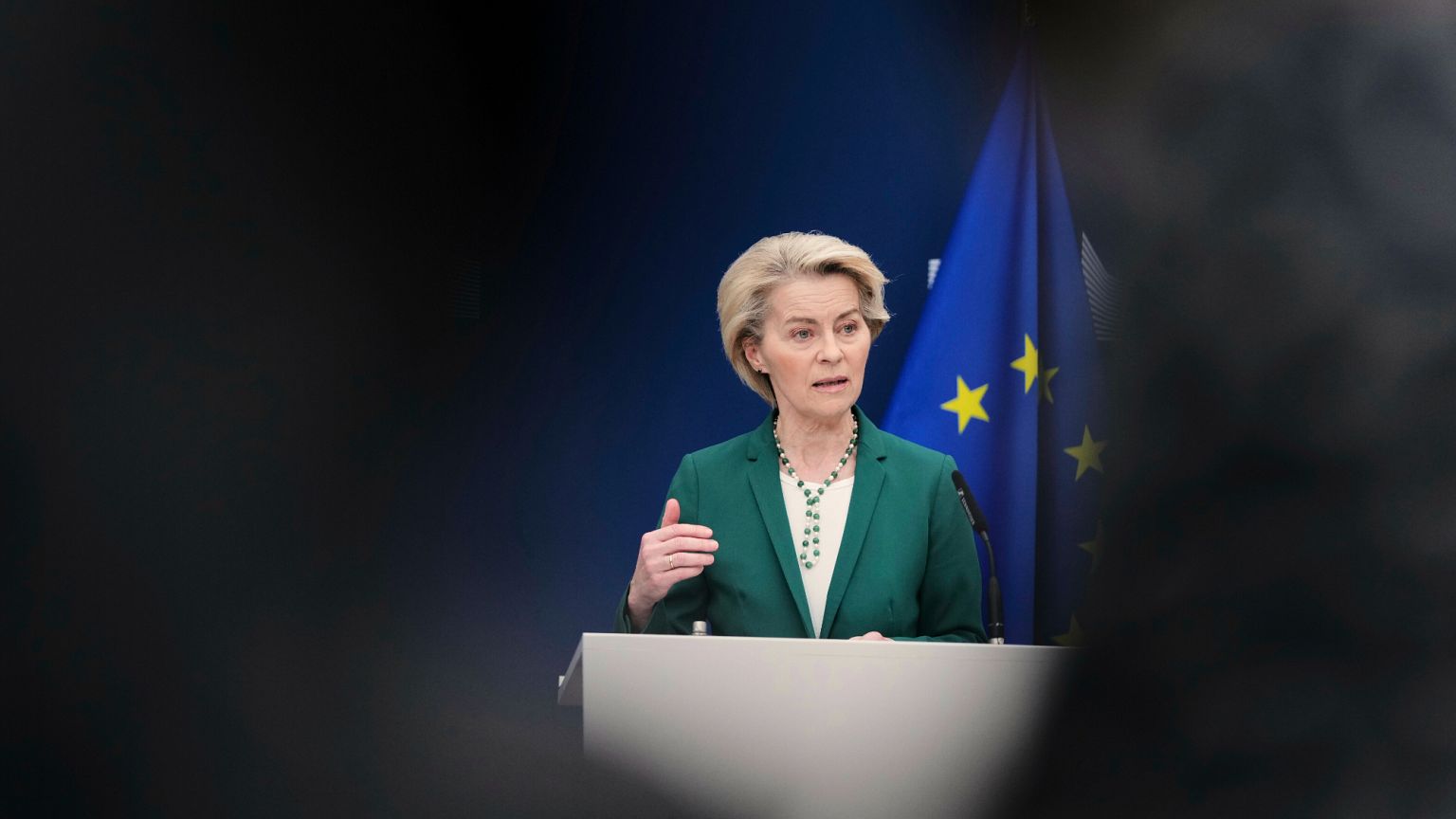
The European Union has decided to temporarily stop applying retaliatory tariffs on products imported from the United States, indicating a tactical break in a prolonged trade disagreement across the Atlantic. This step is taken as both parties strive to address significant disagreements by engaging in renewed talks focused on alleviating economic tensions and preventing a further increase in trade barriers.
Officials from the European Commission confirmed that the suspension is part of a broader effort to create a constructive environment for negotiations, particularly around issues involving subsidies, industrial policy, and regulatory alignment. The decision to hold off on additional tariffs reflects cautious optimism that a negotiated solution remains possible after years of tit-for-tat measures that strained economic relations between the two major economies.
The ongoing trade disputes between the EU and the U.S. stem from various long-term conflicts, such as disagreements over government support to major manufacturers, the taxation of digital services, and environmental regulations related to industrial products. Central to many disagreements are the subsidies granted to major aviation companies—Airbus in Europe and Boeing in the U.S.—with each side arguing that they led to an unfair advantage in international markets.
In response to U.S. tariffs imposed under previous administrations, the EU introduced countermeasures targeting American exports such as agricultural products, machinery, and consumer goods. These tariffs were designed to apply economic pressure while challenging the legality of the U.S. actions at the World Trade Organization (WTO).
The recent pause in retaliatory measures is being interpreted by many observers as a goodwill gesture, meant to support the current trade talks and de-escalate a conflict that has affected sectors on both sides of the Atlantic.
Currently, negotiators are concentrating on settling multiple essential matters, such as disagreements about government subsidies, the significance of sustainable industrial policy, and oversight of online services. Specifically, both sides are striving for an arrangement that harmonizes equitable competition with the necessity to invest in crucial sectors such as semiconductors, renewable energy, and technological infrastructure.
Another critical aspect of the talks is the desire to align climate and trade policies. The EU has proposed carbon border adjustment mechanisms, which would impose fees on imported goods based on their carbon emissions. The U.S. has expressed concern that such mechanisms could function as de facto trade barriers if not properly coordinated.
Furthermore, there is increasing curiosity about developing a collaborative industrial approach to counteract the impact of third-party nations—mainly China—in essential worldwide supply networks. European and U.S. representatives are investigating methods to align standards, safeguard intellectual property, and synchronize subsidies to guarantee shared advantages without initiating fresh trade conflicts.
The temporary halt of EU duties on American goods provides a respite for exporters in both regions, especially for small and medium-sized enterprises that have been unduly impacted by the trade dispute. Industries like agriculture, car parts, and specialized manufacturing have faced the majority of tariffs lately, with cost increases and disruptions in supply chains affecting both creators and consumers.
The move also reflects political realities in both Brussels and Washington. With elections on the horizon in several EU member states and in the U.S., policymakers are eager to demonstrate progress in reducing global trade tensions and supporting domestic economic growth. De-escalation may also help stabilize currency markets and reduce inflationary pressures, which remain a concern amid broader economic uncertainty.
For the U.S. administration, the thaw in EU relations complements efforts to rebuild traditional alliances after years of tariff wars and diplomatic strain. The Biden administration has prioritized restoring trust with European partners, including through the formation of forums such as the U.S.-EU Trade and Technology Council (TTC), which seeks to coordinate policy on digital trade, competition, and export controls.
Although there is current progress, there are still major hurdles to overcome. Conflicts continue regarding the organization of subsidies, whether levies on digital services disproportionately affect U.S. companies, and how to align industrial competitiveness with environmental objectives. Additionally, trade policy is frequently influenced by internal disagreements within the EU, as member countries have varying priorities based on their economic characteristics and political stances.
There is also the risk that unresolved issues could reignite tensions if negotiations falter or if one side perceives the other as acting unilaterally. For example, if either party were to implement new trade measures without mutual agreement, it could undermine the fragile trust that the current talks are attempting to rebuild.
To manage these complexities, trade experts argue that both sides must commit to transparency, regular communication, and dispute resolution mechanisms that prevent conflicts from escalating into full-blown tariff wars. Strengthening multilateral institutions such as the WTO is also seen as critical to maintaining a rules-based international trading system.
The choice made by the EU to halt punitive tariffs aimed at the U.S. carries ramifications that extend beyond their mutual dealings. It signals to the international market that leading economies can still address conflicts through negotiation instead of resorting to protectionist measures. This holds particular significance as global supply chains continue to be fragile and economic division is a growing issue.
Commerce experts propose that the present discussions between the EU and the U.S. might act as a framework for settling additional global trade disagreements, especially those concerning critical industries like digital trading, intellectual assets, and sustainable technologies. Should these talks prove fruitful, the process could strengthen transatlantic collaboration in global platforms and promote joint strategies for addressing emerging trade issues.
Furthermore, the pause in retaliatory measures could encourage other nations to reconsider the use of tariffs as a default policy tool. With inflation, labor shortages, and supply disruptions affecting many economies, reducing trade barriers can play a role in easing pressure on global markets and improving the flow of essential goods.
The European Union’s move to pause retaliatory tariffs on the United States represents a careful yet significant step toward resetting trade relations across the Atlantic. Although there are still major challenges to address in negotiations, this action indicates a shared desire to engage in productive conversations and prevent further economic disputes.
As discussions continue, the emphasis will likely remain on finding common ground in areas such as climate-aligned trade, digital regulation, and strategic industrial development. If both sides can maintain momentum, the outcome may not only defuse one of the most visible trade disputes in recent years but also pave the way for a more cooperative and resilient global trading system.