





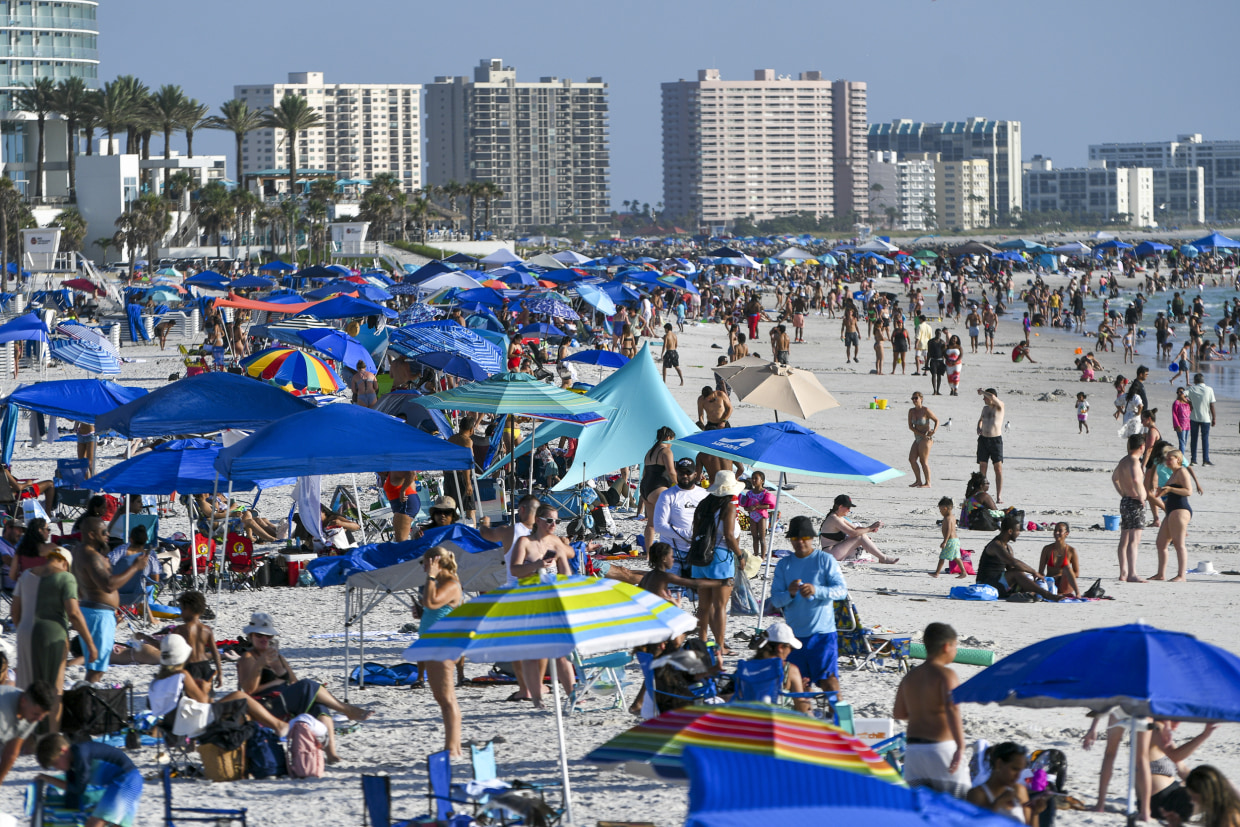
Coastal areas in the Southeastern United States are seeing an unexpected increase in harmful bacterial infections that have resulted in several deaths this year. Health authorities indicate that Vibrio vulnificus, a possibly lethal bacterium present in warm ocean waters, has led to at least ten confirmed deaths in Florida, Louisiana, and the Outer Banks of North Carolina since January.
Antarpreet Jutla, a researcher at the University of Florida, observes that the early summer surge in cases is atypical when compared to historical trends. Vibrio infections often rise after hurricanes, yet this year’s cases have surfaced before the main storm season. Jutla’s team is looking into the unusually high levels of vibrio indicators such as plankton in the Florida Panhandle, indicating that environmental elements might be influencing the outbreak.
The Centers for Disease Control and Prevention estimates Vibrio vulnificus proves fatal in approximately 20% of cases. Most infections occur when the bacteria enters through cuts or wounds exposed to warm saltwater, though consuming raw oysters represents another common transmission route. Once established, the infection can spread with alarming speed, destroying surrounding tissue and potentially entering the bloodstream.
Vulnerable populations face particularly severe risks according to infectious disease specialist Dr. Norman Beatty of University of Florida Health. Individuals with liver disease, compromised immune systems, or chronic conditions like diabetes demonstrate significantly higher susceptibility. Older adults also encounter greater dangers due to age-related immune decline.
Initial signs require urgent medical evaluation – redness, swelling, and characteristic bullseye-shaped blisters surrounding injuries suggest a potential infection. As the illness advances, individuals might experience fever, chills, and critically low blood pressure, which points to a life-threatening septic condition. Immediate antibiotic therapy greatly enhances recovery, making swift diagnosis essential.
Climate scientists warn warming ocean temperatures are expanding Vibrio’s habitat range northward along both coasts. Cases have appeared in typically cooler regions including New York, Connecticut, and Maryland in recent years. Researchers believe rising water temperatures create ideal conditions for bacterial proliferation, potentially explaining the current southeastern outbreak.
Prevention remains the most effective defense against these dangerous infections. Health experts recommend:
- Thoroughly covering all wounds before ocean exposure
- Avoiding saltwater activities with fresh cuts or scrapes
- Cooking seafood completely and practicing safe handling
- Seeking immediate care for any suspicious symptoms
While Vibrio vulnificus represents just one of over 200 vibrio species, its potential severity warrants special caution. Most other variants cause only mild gastrointestinal illness, though Vibrio parahaemolyticus and Vibrio alginolyticus can produce unpleasant food poisoning symptoms.
Health organizations persist in observing the state of beach waters as the hurricane period nears, because high tides and water overflow frequently heighten the dangers of infections. People living in or traveling to the impacted regions should stay alert regarding aquatic safety and safeguarding wounds during the hottest months when the levels of bacteria are at their highest.
The ongoing eruption is a stark alert to the concealed risks in nature, especially for individuals with pre-existing health issues. As weather trends shift, tackling and preventing these diseases will probably necessitate continuous collaboration among healthcare providers, scientists, and seaside communities. Meanwhile, vigilance and rapid response are crucial defenses against this possibly lethal oceanic hazard.