





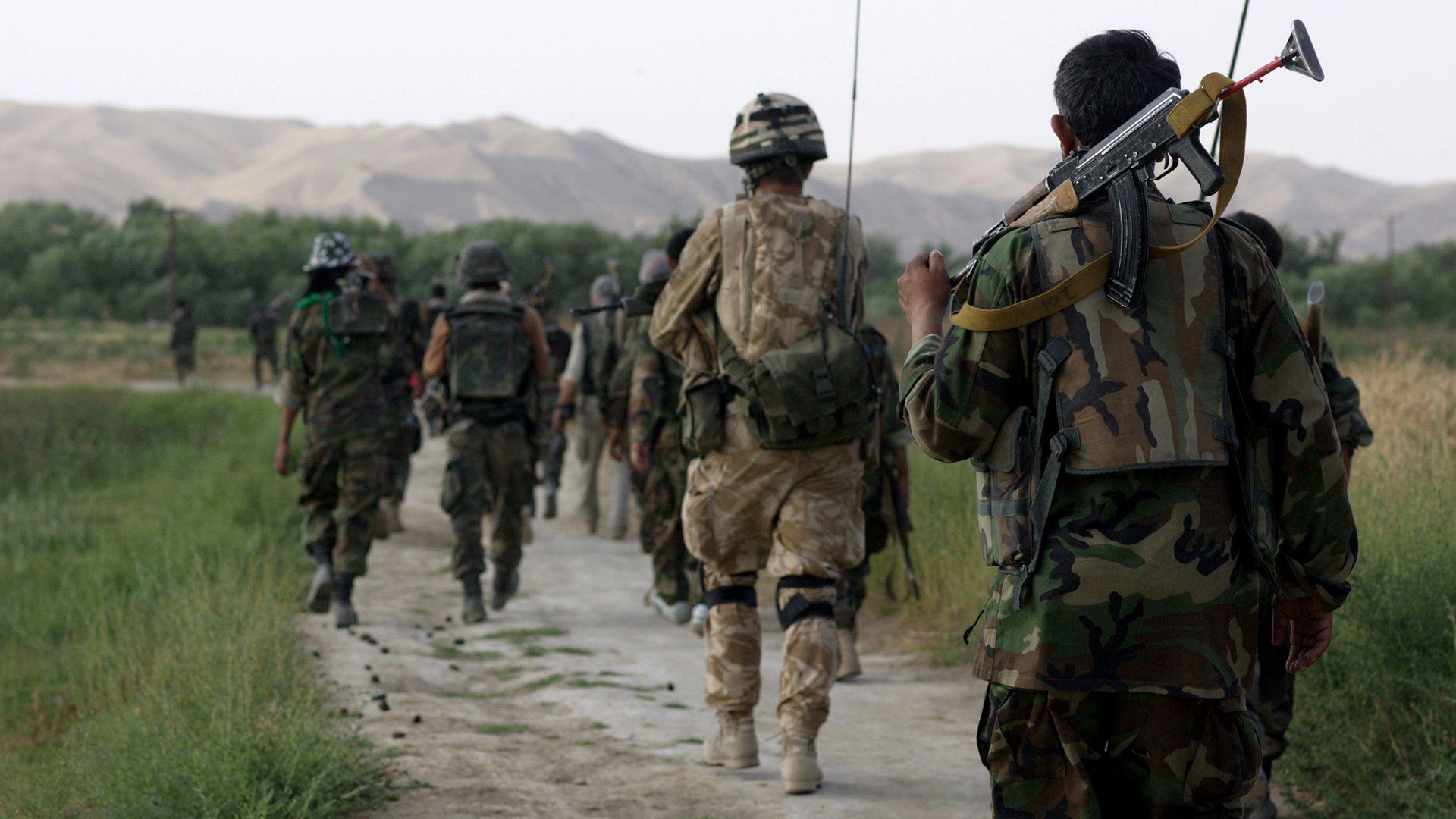
A major incident involving the unauthorized disclosure of data from the UK Ministry of Defence has resulted in the release of confidential details related to more than 100 British officials, encompassing personnel from special forces and intelligence sectors, along with numerous Afghan nationals. This breach in security has sparked worries regarding the protection of individuals identified in the disclosed documents, particularly Afghans who supported British missions throughout the twenty-year engagement in Afghanistan.
The incident, which occurred in early 2022 but remained undisclosed until much later, resulted in the accidental transmission of tens of thousands of confidential resettlement applications. The full scope of the breach was not known to the government until August 2023, when a recipient of the leaked data in Afghanistan shared portions of it on Facebook and hinted at the potential to release more. This prompted urgent actions from UK authorities, including covert relocation efforts and legal moves to restrict public discussion of the matter.
Until a short time ago, the leak was kept out of sight due to an uncommon and strong legal tool referred to as a “super-injunction.” This measure not only blocks the disclosure of the delicate details concerned but also forbids any reference to the injunction itself. A ruling by the High Court has recently eased this restriction, permitting the media to divulge that the names of British special forces personnel and MI6 agents were part of the data exposed in the leak.
The government had already acknowledged that the personal information of nearly 19,000 Afghan nationals had been leaked. These individuals had worked alongside British forces and subsequently applied for relocation to the United Kingdom under special schemes established for Afghan partners. Given the political situation in Afghanistan and the Taliban’s stance toward those who collaborated with foreign governments, this exposure puts many at grave risk.
In response, the Ministry of Defence quietly established the Afghanistan Response Route (ARR), a special resettlement program designed to facilitate the evacuation and relocation of those whose safety may have been compromised by the breach. Since its inception, the ARR has successfully brought around 4,500 Afghans and their family members to the UK, with an additional 2,400 expected to arrive. The total cost of this operation is estimated at £850 million.
The breach itself stemmed from a mishandling of data at UK Special Forces headquarters in London. A staff member unintentionally sent an email containing sensitive data from over 30,000 individuals to someone outside of government, under the mistaken belief that the message included only 150 records. This act of human error, though unintentional, has triggered one of the most severe data security failures involving British defence personnel in recent memory.
One particularly controversial outcome was the British government’s decision to prioritize the resettlement of the Afghan individual who shared the leaked data online. According to sources, this decision was made to limit further exposure, though critics have likened the move to yielding to blackmail. The Ministry of Defence has refused to discuss specific actions taken regarding that individual but emphasized that all applicants under Afghan resettlement schemes undergo thorough security screening before being allowed to enter the UK.
Public disclosure of the incident has intensified scrutiny on how the UK manages sensitive information tied to military and intelligence operations. Defence Secretary John Healey addressed the House of Commons earlier this week, calling the breach a “serious departmental error” and admitting that it was one of several data-related issues plaguing Afghan resettlement efforts. He underscored the need for systemic improvements in data handling procedures across departments involved in such critical work.
Shadow Defence Secretary James Cartlidge also weighed in, offering an apology on behalf of the previous Conservative-led government, under which the breach came to light. However, the MoD has remained silent on whether any Afghan nationals have suffered direct harm as a result of the leak. While the Taliban has publicly stated that it has neither arrested nor targeted any individuals tied to the breach, relatives of affected Afghans have shared their fears with British media. In some cases, they reported that Taliban efforts to identify and locate named individuals increased significantly after the leak became public.
A spokesperson for the Ministry of Defence reiterated the UK government’s long-standing policy of refraining from commenting on matters related to special forces. The statement emphasized the government’s commitment to personnel safety, especially those in roles requiring confidentiality and operational security.
This exposure highlights the sensitive equilibrium between preserving national security and guaranteeing openness within democratic frameworks. Although operational specifics require protection, the public insists on responsibility when mistakes endanger lives. In this situation, the difficulty is to tackle both issues without undermining the integrity of defense activities or the safety of those still at risk in Afghanistan.
As the UK continues to resettle those affected, questions remain about how such a large-scale failure went unnoticed for so long and what lessons can be learned to prevent similar incidents in the future. While the immediate response has focused on protecting lives and containing further fallout, the broader implications for national security and data governance will likely shape internal policy reforms for years to come.