





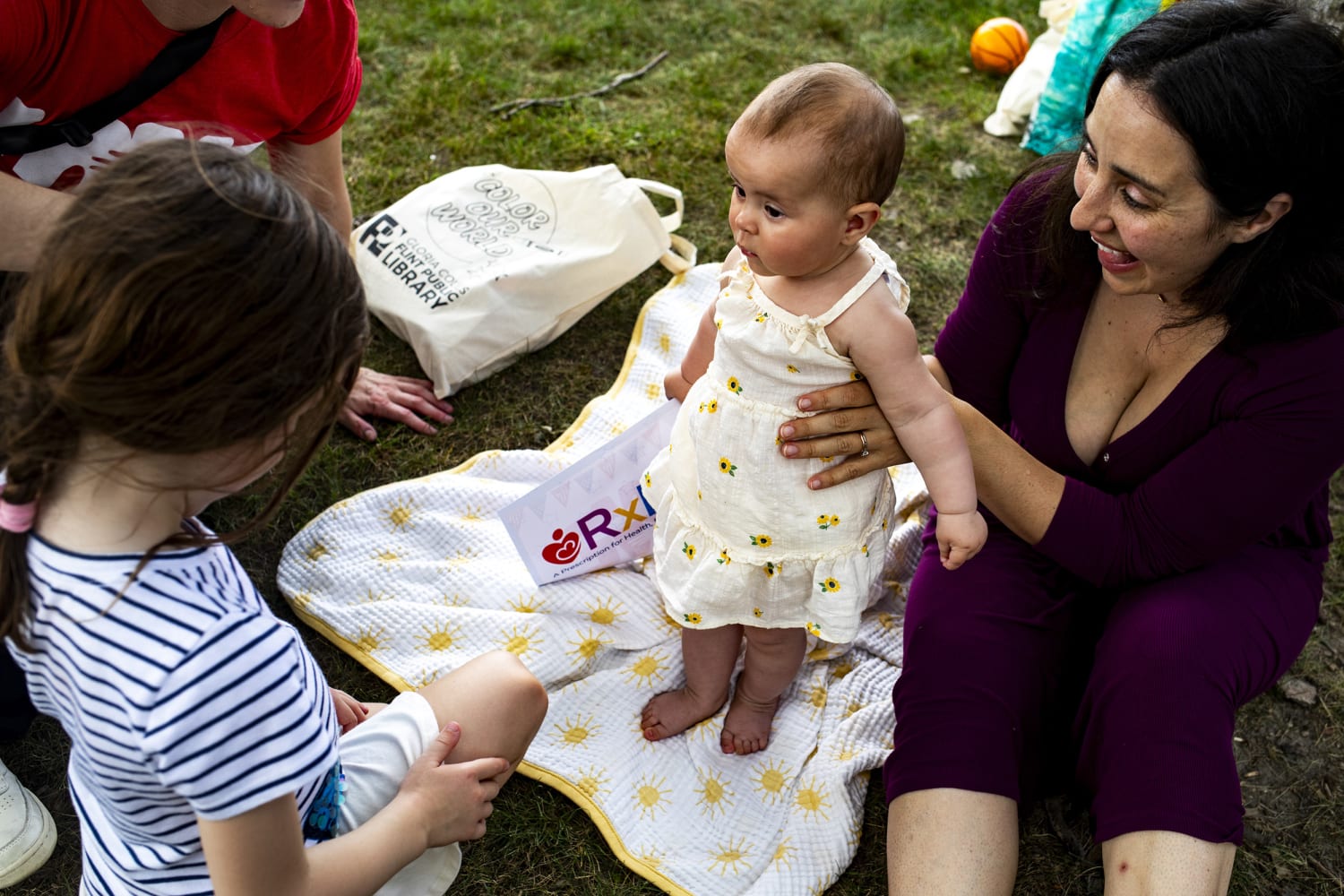
A novel project in Michigan is garnering nationwide attention due to its straightforward strategy for promoting the health of mothers and their babies. The initiative offers direct cash assistance to new mothers and is being watched carefully by policymakers, researchers, and advocacy organizations who consider it a promising model that could be expanded to tackle economic and health inequities throughout the country.
Introduced as an initial initiative, the Michigan scheme seeks to alleviate the monetary challenges tied to early motherhood, especially for households with low or middle earnings. Participants are granted monthly allowances throughout pregnancy and following childbirth, providing them with the freedom to decide how to allocate funds for housing, nourishment, child care, transportation, and healthcare necessities. Contrary to standard welfare systems that frequently have stringent qualification criteria and usage constraints, this framework is based on trust and independence—empowering beneficiaries to choose the most effective way to aid themselves and their infants.
The early results are promising. Preliminary feedback from participating families suggests that the extra income is helping to reduce stress, increase access to prenatal care, and improve nutritional choices. Some parents report being able to take unpaid maternity leave, purchase essential baby supplies, or afford stable housing—all of which contribute to healthier outcomes for both mother and child. These benefits are particularly impactful in communities where systemic barriers have historically limited access to resources and health equity.
At the heart of the Michigan program is a growing recognition that financial insecurity is a major driver of poor health outcomes, especially during the critical period surrounding childbirth. The idea of direct cash support is rooted in a body of research showing that economic stability during pregnancy and early childhood has long-term positive effects on physical health, cognitive development, and family well-being. By addressing poverty in a proactive and dignified way, the program aligns with broader efforts to reimagine maternal and child health policy in the United States.
The structure of the initiative draws inspiration from similar programs around the world. Countries like Canada, Finland, and Scotland have implemented variations of direct cash support or child benefits, and the outcomes have been widely studied. Many of these international models show reduced rates of infant mortality, improved maternal mental health, and better long-term developmental indicators for children. Michigan’s approach is notable for its adaptation to the American context, where such policies have traditionally faced more political resistance.
What sets the Michigan program apart from other types of government aid is its straightforwardness and ease of access. There are no limits on spending the funds, no bureaucratic obstacles to overcome, and no consequences for having a job or receiving extra income. This structure not only cuts down on administrative costs but also respects the decision-making ability of the beneficiaries—many of whom are juggling complex duties during a challenging period of their lives.
Critics of direct cash programs often argue that such models could discourage employment or be misused. However, a growing body of evidence—including data from the expanded federal Child Tax Credit during the COVID-19 pandemic—suggests otherwise. Most families use the funds to meet basic needs, and there is little indication that receiving cash disincentivizes work. In fact, financial stability often provides the foundation people need to pursue education, training, or more stable employment.
In Michigan, those who develop programs have highlighted the significance of incorporating trust and respect within the framework. Instead of portraying recipients as dependents, the project views them as collaborators in reaching better results. This strategy has enhanced participant satisfaction and boosted the effectiveness of the program. Families are more inclined to engage with support services when they do not feel stigmatized or monitored.
As the pilot continues, researchers will track a variety of outcomes—ranging from birth weights and breastfeeding rates to maternal depression and financial stress. The results could influence future policy discussions at both the state and federal level, particularly as lawmakers look for effective ways to reduce maternal mortality and support early childhood development.
Michigan’s experiment comes at a time of heightened national attention to the challenges facing new parents in the U.S., where maternal mortality rates remain high compared to other developed nations, and many families lack access to paid leave, affordable childcare, or consistent healthcare. The state’s initiative offers a potential path forward: one that acknowledges the profound impact of economic support during life’s most formative moments.
Moreover, the program’s success could bolster arguments for broader guaranteed income initiatives, especially those targeted at families and caregivers. While universal basic income remains a contentious topic in national politics, targeted cash assistance for specific life stages—like pregnancy and early parenting—is gaining traction as a practical, evidence-based intervention.
Advocates hope that Michigan’s model will inspire other states to pilot similar efforts and that federal lawmakers will consider integrating direct support into existing frameworks such as Medicaid, WIC, or child tax credits. With mounting evidence that small, regular payments can lead to large improvements in health and well-being, the case for expansion grows stronger.
In the meantime, the Michigan program continues to offer not just financial relief but a reimagined vision of what support for new mothers can look like in America—one that values autonomy, prioritizes health, and invests in the potential of the next generation from day one. As data continues to emerge, its influence may stretch far beyond state lines, challenging long-held assumptions about how to best care for families during the earliest chapters of life.