



.jpg "Real Estate Investment in Cap Cana in 2026")

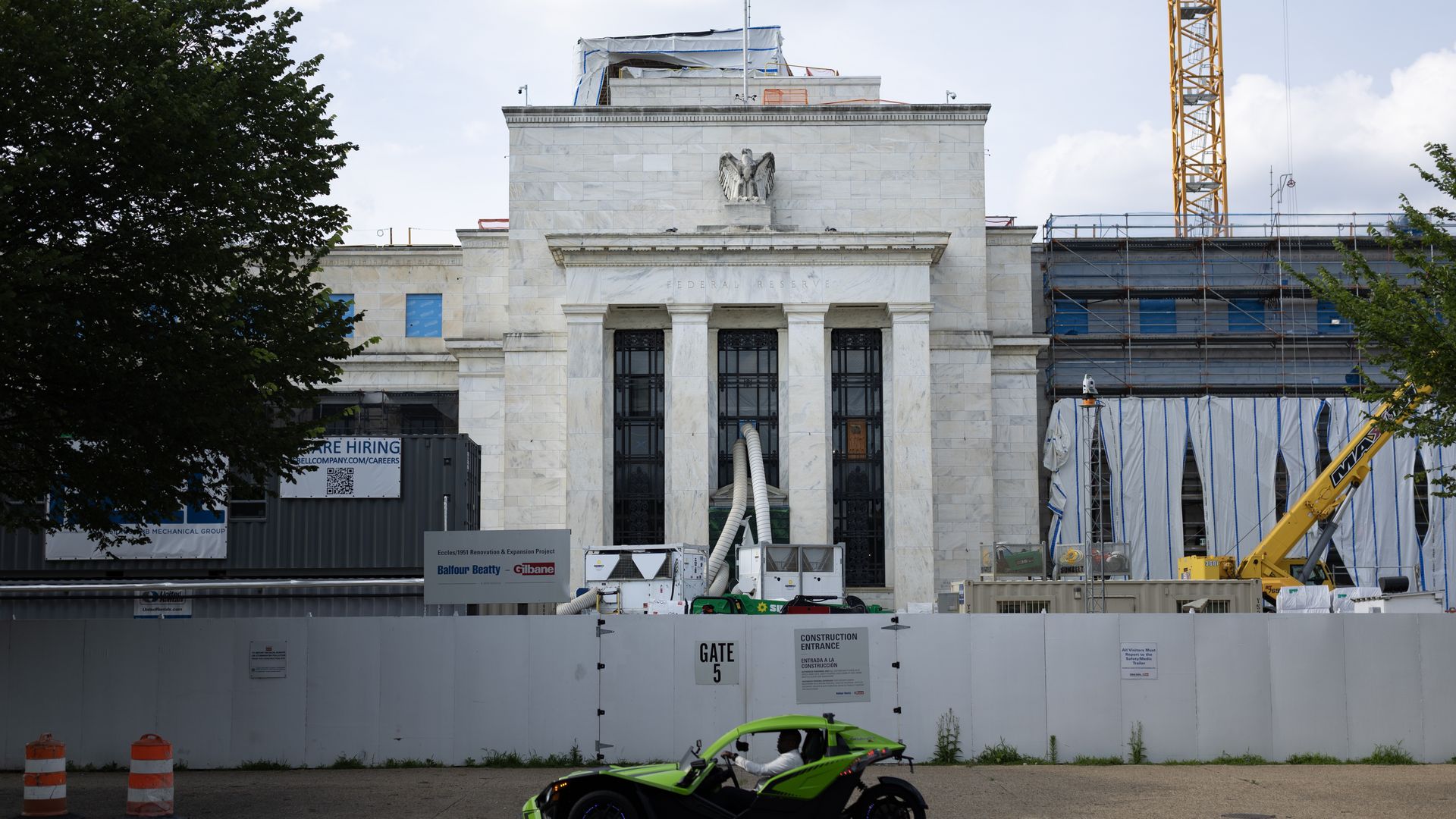
Chairman of the Federal Reserve, Jerome Powell, has called for an internal review regarding a construction project valued at several billion dollars at the headquarters of the central bank, due to public and political opposition, particularly from former President Donald Trump. The $2.5 billion refurbishment of the Fed’s primary edifice in Washington, D.C. has faced criticism concerning its financial implications and justification, leading Powell to submit the issue to the Office of Inspector General (OIG) for an autonomous assessment.
The renovation in question involves a substantial overhaul of the historic Eccles Building, which has housed the Board of Governors of the Federal Reserve since 1937. The project aims to modernize the facility, address longstanding structural issues, improve security, and expand office space to accommodate additional staff. However, the scale and projected cost of the undertaking have sparked criticism from some lawmakers and public figures who argue that the expenditure may be excessive, especially during a period of heightened attention to government spending.
By asking the OIG to conduct an examination, Powell is indicating a readiness to allow the central bank’s internal choices to be examined independently. This action demonstrates the Fed’s desire to uphold transparency and public confidence, especially during a period when the organization faces pressure from various quarters—including politicians and sections of the population who are challenging its policy decisions, economic role, and independence.
According to representatives from the Fed, the renovation initiative has been under consideration for several years. The budget has increased because of inflation, rising construction costs after the pandemic, and updated demands linked to workplace safety, environmental efficiency, and advanced technological infrastructure. The building’s last significant renovation took place many years back, and its present infrastructure is said to be old and inadequate to satisfy the functional requirements of a contemporary central bank.
Ex-President Trump, alongside others, has expressed significant resistance to the project, describing the renovation as excessive and unwarranted. He has incorporated this topic into a wider criticism of the Federal Reserve’s leadership and policies, accusing them of being disconnected from ordinary Americans and careless with public funds.
In response, Powell’s decision to seek an independent review may serve multiple purposes: reinforcing the institution’s credibility, clarifying how the costs were determined, and potentially identifying areas where spending could be trimmed or made more efficient. The Inspector General’s review will likely focus on procurement processes, cost management, and adherence to established federal guidelines for large-scale government construction projects.
While the Federal Reserve functions independently from both the executive and legislative branches, it remains accountable to Congress as well as the public. Its finances do not stem from taxpayer money in the usual manner; instead, it is supported by its own revenues, mostly derived from interest on government securities. However, the perception of undertaking a multibillion-dollar renovation in an economically sensitive period can impact public opinion and political discourse.
The leadership at the Fed has emphasized that the refurbishment is crucial for the building to meet the demands of an expanding and changing workforce. They point out that this initiative comprises seismic strengthening, modernizing antiquated electrical and plumbing systems, enhancing accessibility, and implementing measures to boost environmental sustainability following federal standards.
The review by the Inspector General could take several months, depending on its scope and the level of detail involved. Once complete, the findings may either validate the Fed’s approach or suggest modifications to the plan. Either way, the results are expected to shape public and congressional perceptions of the central bank’s fiscal responsibility and management practices.
This moment also comes amid broader debates about the Fed’s role in the U.S. economy. With inflation concerns, interest rate policy, and financial regulation under constant discussion, the central bank faces ongoing scrutiny from multiple political perspectives. The renovation controversy adds another layer to these debates, turning attention from monetary policy to institutional governance.
Transparency supporters have applauded Powell’s choice to initiate a review, calling it a move towards increased accountability. They assert that although the Fed does not receive direct funding from Congress, it nonetheless occupies a very significant public role and must be judicious in its financial choices. They emphasize that independent evaluation is an essential tool for fostering confidence in public organizations.
Some experts in federal property management have noted that large-scale government renovations are inherently complex and often expensive due to the need to preserve historical elements while meeting modern standards. The Eccles Building, being listed on the National Register of Historic Places, is subject to additional preservation requirements, which may have contributed to the rising costs.
While focus continues to center on the cost of the renovation, Powell’s leadership is expected to face challenges not just in guiding monetary policy but also in handling institutional responsibility. Managing operational requirements alongside fiscal discipline will be crucial to maintaining the Fed’s public trust.
Jerome Powell, the Chair, has chosen to start an Inspector General examination of the $2.5 billion renovation of the headquarters, highlighting the Federal Reserve’s recognition of public worries and its dedication to being open. The results of this examination will have crucial effects not just on the progression of the building project, but also on the Fed’s wider connections with Congress, the public, and political figures in a dynamic and frequently debated economic setting.