





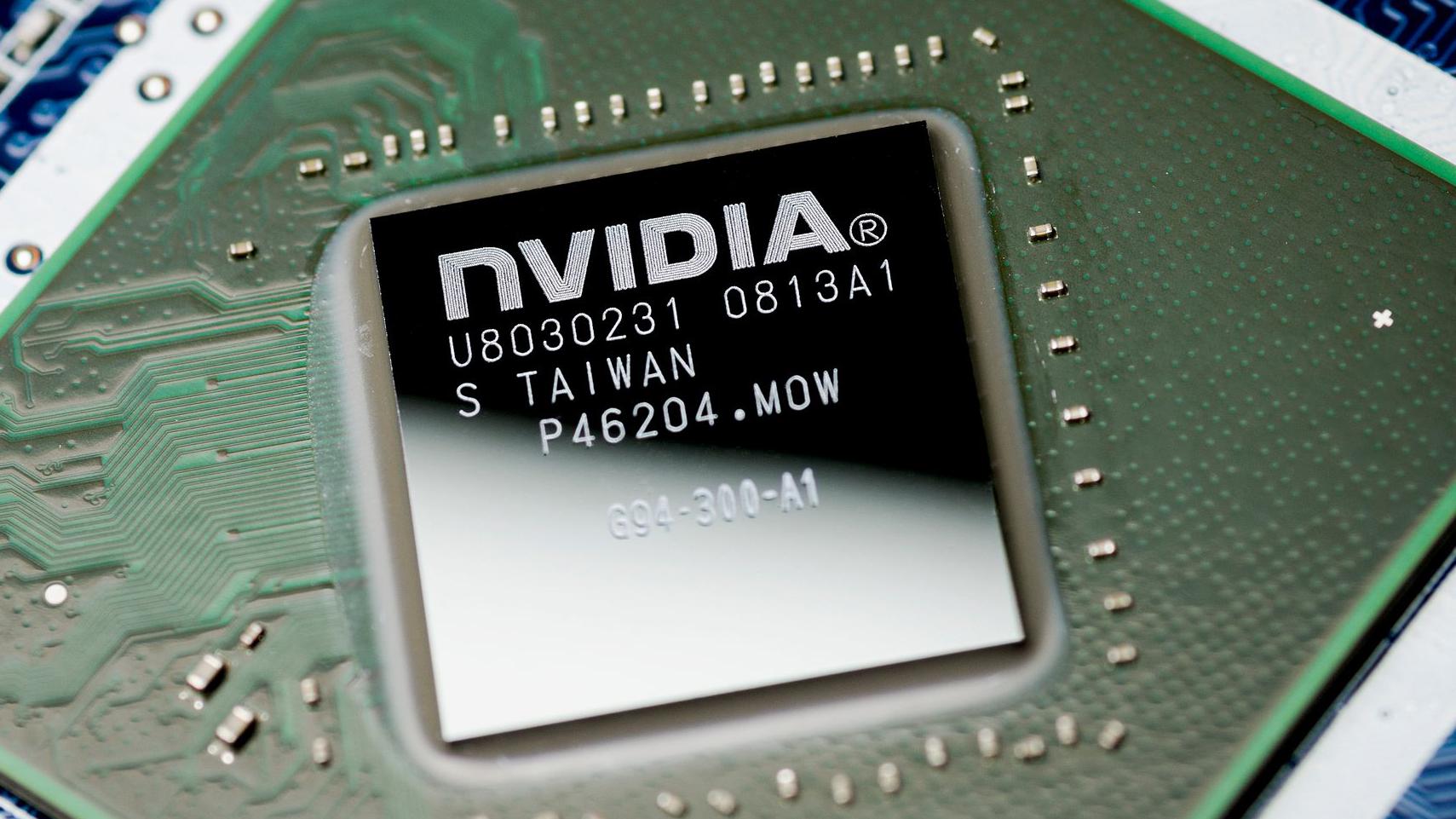
In a remarkable display of growth and technological influence, Nvidia has ascended to become the first company in the world to achieve a market valuation of $4 trillion. This historic achievement reflects the semiconductor giant’s pivotal role in driving the global technology sector, particularly in areas such as artificial intelligence (AI), graphics processing, and high-performance computing.
The company’s remarkable rise to this significant valuation has been primarily driven by its leading position in the graphics processing unit (GPU) industry and its growing impact on AI technologies. Nvidia’s GPUs play a central role in data centers, AI research, self-driving cars, and even gaming consoles—areas that have experienced a surge in demand as sectors across the globe adopt digital transformation.
The unprecedented valuation highlights how Nvidia has positioned itself as an indispensable player in the ongoing AI revolution. The rise of machine learning, deep learning, and generative AI tools has created enormous demand for the sophisticated computing power that Nvidia’s products provide. As organizations across industries—from healthcare to finance to entertainment—seek to harness the capabilities of AI, Nvidia’s GPUs have become essential hardware.
Investors have shown strong support for Nvidia due to its reliable financial results and its proactive approach to innovation. The company’s stock value has significantly increased, surpassing the growth of numerous other tech companies and playing a major role in the performance of broader market indexes. This trust from investors is also linked to Nvidia's involvement in driving AI technologies, which are anticipated to become more commonplace in daily living.
Besides leading in AI, Nvidia is influential in gaming, self-driving cars, and virtual reality (VR). Its GPUs are highly regarded in the gaming world, and the Drive platform is contributing to the advancement of autonomous vehicles. The company’s capacity to broaden its range of products while holding on to its tech advantage has significantly contributed to its expansion.
One significant contributor to the rise in Nvidia’s valuation has been the company’s concentration on data centers. As the complexity of cloud computing and AI tasks increases, the need for Nvidia’s high-performance chips has rapidly escalated. Leading cloud service providers and business customers depend extensively on Nvidia’s hardware to efficiently handle and process large volumes of data, further integrating the company into the core of today’s digital infrastructure.
Strategic alliances have also contributed to Nvidia’s achievements. Working together with leading technology companies, universities, and research entities has enabled the company to remain at the leading edge of innovation. By consistently investing in research and development, Nvidia guarantees that its products continue to be state-of-the-art, able to support future technologies and applications.
Nvidia’s meteoric rise is emblematic of a broader shift in market dynamics where semiconductor and AI-related companies are commanding greater investor attention and capital. The traditional dominance of software and internet giants is being complemented, and in some cases overtaken, by firms that build the hardware necessary to power the digital economy.
However, this swift rise also presents obstacles. The semiconductor sector is known for its cycles, and interruptions in supply chains, geopolitical pressures, and changes in consumer demand can threaten continuous expansion. Moreover, the fierce competition from other semiconductor companies like AMD, Intel, and emerging players in AI chip creation could affect Nvidia’s market portion in the long run.
Regulatory scrutiny is another factor that could shape Nvidia’s future trajectory. As governments around the world take a closer look at the concentration of technological power and the implications of AI on privacy, security, and employment, Nvidia and its peers may face new compliance requirements and ethical considerations.
Even with these obstacles, Nvidia’s leadership is confident about the company’s path forward. CEO Jensen Huang has repeatedly highlighted the revolutionary impact of AI and the company’s contribution to substantial innovations in areas such as scientific research, medical diagnoses, and creative sectors.
The milestone of reaching a $4 trillion valuation not only cements Nvidia’s place in history but also signals a new era for the global economy where AI and advanced computing drive innovation and value creation. As industries continue to digitize and rely on computational power, Nvidia’s influence is likely to grow even further.
The accomplishment also carries wider consequences for the tech industry. It highlights the growing significance of hardware innovation in an arena that was once led by software-focused business strategies. Firms capable of delivering the computational foundation for AI, machine learning, and applications demanding substantial data are set to be the leading companies in the future.
In the eyes of investors and market observers, Nvidia’s ascent exemplifies how technological foresight, strategic implementation, and market timing can work together to achieve remarkable commercial success. It also prompts inquiries regarding the durability of its valuation and the concentration of market power, as Nvidia becomes part of an exclusive set of firms with market capitals reaching multiple trillions of dollars.
Looking ahead, the company’s ability to maintain its growth trajectory will depend on continued innovation, strategic expansion, and the careful navigation of emerging risks. Whether through the development of next-generation GPUs, AI accelerators, or new applications in fields like quantum computing and biotechnology, Nvidia’s capacity to lead technological change remains a central focus.
Nvidia’s significant milestone of reaching a $4 trillion market value signifies more than just financial triumph—it indicates the company’s extensive incorporation into the technological landscape of today’s world. As AI and computing technologies advance, Nvidia’s input is set to influence the future of technology and the global economy in deep and enduring ways.