





Investigating the possibilities of bacteriophages: How these viruses may aid in combating antibiotic resistance
In a world where the threat of antibiotic-resistant bacteria looms large, a growing number of scientists are turning to a surprising ally in the fight against superbugs—viruses. But not the kind that cause illness in humans. These are bacteriophages, or simply “phages,” viruses that specifically infect and destroy bacteria. Once sidelined by the success of antibiotics, phage therapy is now being re-evaluated as a promising alternative as the medical community grapples with drug resistance.
The notion of employing viruses to combat bacterial infections might appear unusual, yet it is based on scientific principles established more than 100 years ago. Phages were initially identified by British bacteriologist Frederick Twort and French-Canadian microbiologist Félix d’Hérelle in the early 1900s. Although the concept gained traction in certain areas of Eastern Europe and the ex-Soviet Union, the introduction of antibiotics in the 1940s caused phage research to decline in prominence within Western medical practices.
Now, with antibiotic resistance escalating into a global health emergency, interest in phages is resurging. Each year, more than a million people worldwide die from infections that no longer respond to standard treatments. If the trend continues, that figure could reach 10 million annually by 2050, threatening to upend many aspects of modern healthcare—from routine surgeries to cancer therapies.
Phages offer a unique solution. Unlike broad-spectrum antibiotics, which indiscriminately wipe out both harmful and beneficial bacteria, phages are highly selective. They target specific bacterial strains, leaving surrounding microbes untouched. This precision not only reduces collateral damage to the body’s microbiome but also helps preserve the effectiveness of treatments over time.
One of the most exciting aspects of phage therapy is its adaptability. Phages reproduce inside the bacteria they infect, multiplying as they destroy their hosts. This means they can continue to work and evolve as they spread through an infection. They can be administered in various forms—applied directly to wounds, inhaled to treat respiratory infections, or even used to target urinary tract infections.
Research labs across the world are now exploring the therapeutic potential of phages, and some are inviting public participation. At the University of Southampton, scientists involved in the Phage Collection Project are working to identify new strains by collecting samples from everyday environments. Their mission: to find naturally occurring phages capable of combating hard-to-treat bacterial infections.
The procedure for identifying useful phages is both unexpectedly simple and scientifically meticulous. Participants gather samples from locations such as ponds, compost piles, and even unflushed toilets—any spot where bacteria prosper. These samples are filtered, processed, and then tested with bacterial cultures from actual patients. If a phage in the collection destroys the bacteria, it might be considered for future treatment.
What makes this method highly promising is its precision. For instance, a bacteriophage discovered in a domestic setting might effectively target a bacterial strain that is resistant to numerous antibiotics. Researchers study these interactions utilizing sophisticated methods like electron microscopy, allowing them to observe the bacteriophages and comprehend their structure.
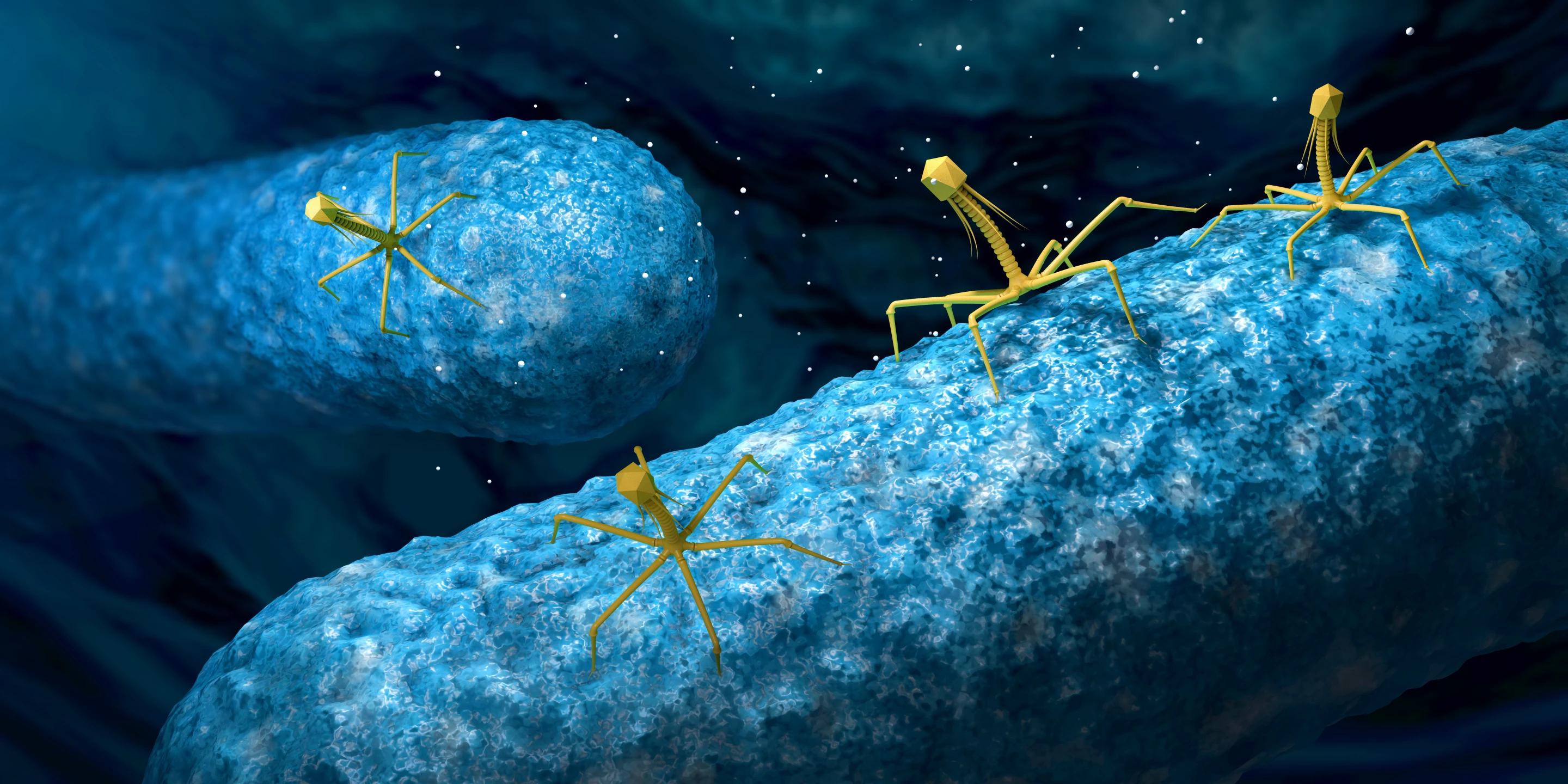
Phages look almost alien under a microscope. Their structure resembles a lunar lander: a head filled with genetic material, spindly legs for attachment, and a tail used to inject their DNA into a bacterial cell. Once inside, the phage hijacks the bacteria’s machinery to replicate itself, ultimately destroying the host in the process.
But the journey from discovery to treatment is complex. Each phage must be matched to a specific bacterial strain, which takes time and testing. Unlike antibiotics, which are mass-produced and broadly applicable, phage therapy is often tailored to the individual patient, making regulation and approval more intricate.
Despite these obstacles, regulatory authorities are starting to embrace the advancement of phage-oriented therapies. In the UK, phage treatment is currently allowed on compassionate grounds for those patients who have no remaining traditional options. The Medicines and Healthcare products Regulatory Agency has additionally issued official recommendations for phage development, indicating a move towards broader acceptance.
Experts in the field stress the importance of continued investment in phage research. Dr. Franklin Nobrega and Prof. Paul Elkington from the University of Southampton emphasize that phage therapy could provide vital support in the face of increasing antibiotic resistance. They highlight cases where patients have been left with no effective treatments, underscoring the urgency of finding viable alternatives.
Clinical trials are still necessary to thoroughly confirm the safety and effectiveness of phage therapy, yet optimism is rising. Initial findings are promising, as some experimental therapies have successfully eliminated infections that had previously resisted all standard antibiotics.
Beyond its possible applications in medicine, phage therapy introduces a fresh approach to involving the public in scientific endeavors. Initiatives such as the Phage Collection Project encourage individuals to participate in scientific research by gathering environmental samples, fostering a sense of participation in addressing one of the critical issues of our era.
This local effort may be crucial in discovering novel phages that could be vital for upcoming therapies. As the globe deals with the escalating challenge of antibiotic resistance, these tiny viruses might turn out to be unexpected saviors—evolving from little-known biological phenomena into critical instruments of contemporary medicine.
Looking ahead, the hope is that phage therapy could become a routine part of the medical toolkit. Infections that today pose a serious risk might one day be treated with precision-matched phages, administered quickly and safely, without the unintended consequences associated with traditional antibiotics.
The journey ahead will necessitate collaborative actions in the realms of research, regulation, and public health. However, armed with the tools of molecular biology and the zeal of the scientific community, the promise of phage therapy to transform infection management is tangible. What was once a disregarded scientific notion may shortly become central in the fight against antibiotic-resistant diseases.